


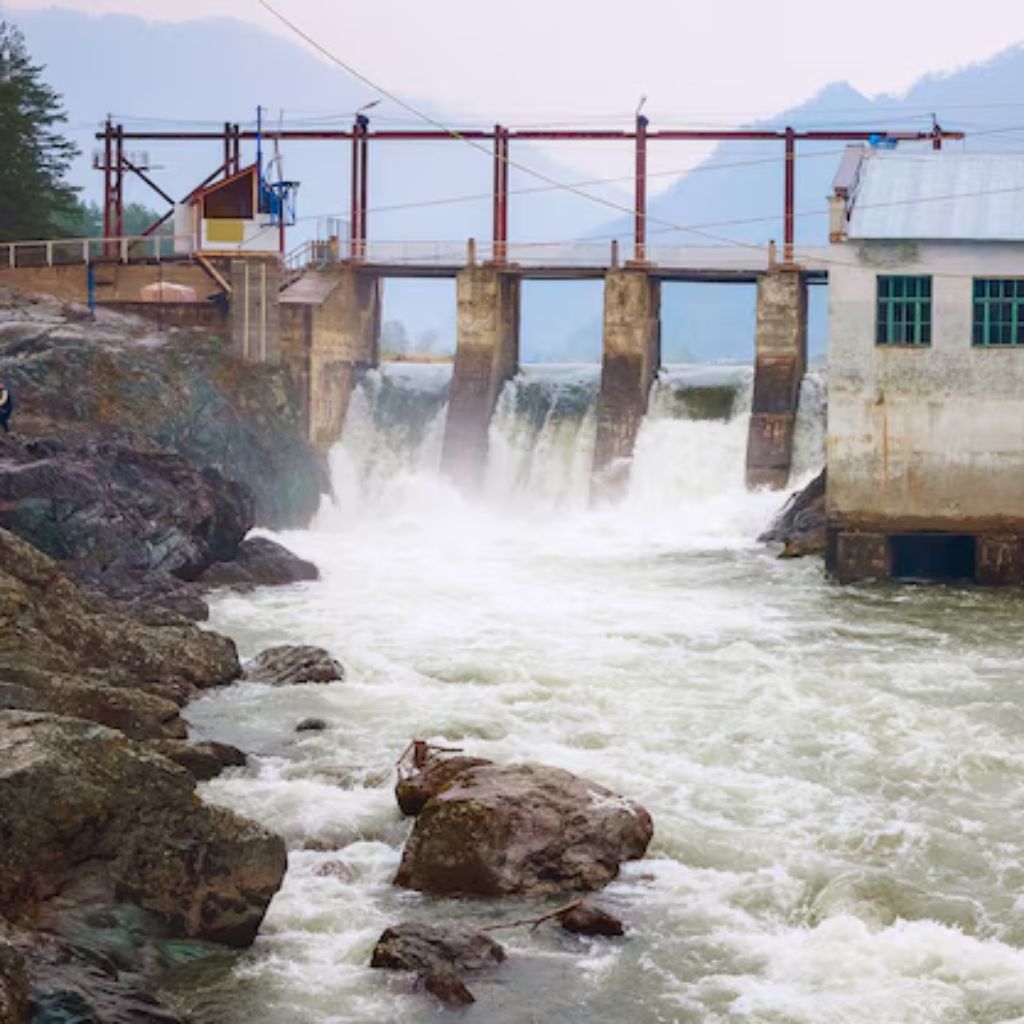
The Power of Water in a Changing World
Water has been a vital resource for humanity for millennia, powering agriculture, transportation, and industry. Among its many roles, hydropower energy stands out as one of the oldest and most reliable renewable energy sources. Harnessing the kinetic energy of flowing water, hydropower has evolved into a cornerstone of sustainable electricity production. Understanding interesting facts about hydropower energy is essential for anyone interested in the future of clean, renewable power.
In 2025, as the world races toward decarbonization, green energy hydropower remains a critical part of the energy transition. Unlike intermittent sources like solar or wind, hydropower provides a consistent, base-load supply of electricity. Its environmental advantages — including low carbon emissions and scalable designs — make it an attractive solution for both developed and developing nations. Beyond electricity, hydropower systems offer flood control, irrigation support, and water storage benefits, highlighting their multi-functional value.
This guide explores hydropower energy facts, from historical roots to cutting-edge innovations, and explains why hydropower renewable energy continues to shape a sustainable future. Whether you’re a student, policymaker, or clean energy enthusiast, these 15 fascinating insights will deepen your understanding of how water can power our world responsibly.
What Is Hydropower Energy and How Does It Work?
The Science Behind Hydropower
At its core, hydropower energy converts the kinetic energy of flowing or falling water into electricity. When water moves, it possesses kinetic energy, which can turn turbines connected to generators. The generators then transform this mechanical energy into electrical energy, ready to power homes, businesses, and industries.
Most hydropower plants use dams to create reservoirs, ensuring a consistent water flow. Water released from the reservoir flows through turbines, spinning them to generate electricity. This method not only provides a predictable power supply but also enables energy storage solutions such as pumped storage, which acts like a massive battery for the grid.
Hydropower energy facts reveal that modern plants employ advanced technologies like variable-speed turbines and digital controls to maximize efficiency while minimizing environmental impact. Key components include the dam (or intake structure), turbines, generators, and transmission systems — all working together to provide a reliable, renewable source of energy.
A Quick Look at Hydropower Systems Around the World
Hydropower renewable energy is not just a theoretical concept; it powers nations. China leads the world, generating over 350 GW from hydropower, followed by Brazil and Canada. These countries leverage their rivers, mountainous terrain, and technological expertise to harness green energy hydropower efficiently.
Hydropower is versatile, ranging from massive dams like the Three Gorges Dam to small micro-hydro systems in rural communities. Globally, hydropower accounts for more than 16% of electricity generation, making it the largest source of renewable power. These figures set the stage for exploring 15 interesting facts about hydropower energy that highlight its unique role in sustainable development.
15 Interesting Facts About Hydropower Energy That Will Surprise You
1. Hydropower Is the World’s Largest Source of Renewable Electricity
Hydropower renewable energy contributes over 16% of global electricity, making it the most significant renewable source worldwide. Unlike solar or wind, it provides a continuous supply, ensuring grid stability. Countries like China, Brazil, and Canada rely heavily on hydropower, demonstrating its efficiency and scalability.
With advanced infrastructure, hydropower systems can generate electricity day and night, regardless of weather conditions. These systems can also complement intermittent renewables like wind and solar by providing flexible energy management through pumped storage and reservoir regulation. This combination of reliability, sustainability, and adaptability is why hydropower remains central to green energy strategies globally.
2. The Ancient Greeks Used Water Power Thousands of Years Ago
Hydropower energy facts aren’t just modern innovations — water wheels date back to ancient Greece and Rome. Early engineers used flowing rivers to power mills for grinding grain and other industrial activities. These primitive systems laid the groundwork for today’s advanced turbines.
The evolution from simple water wheels to modern turbines illustrates human ingenuity in leveraging natural resources. The fundamental principle remains the same: moving water can produce mechanical energy, which we now convert into electricity. Recognizing this historical context emphasizes how hydropower renewable energy has been a crucial component of civilization for centuries.
3. Hydropower Dams Can Generate Energy 24/7
Unlike solar panels that require sunlight or wind turbines that depend on breezes, green energy hydropower plants operate continuously. Dams store water in reservoirs, allowing controlled release through turbines whenever electricity demand peaks.
This ability to produce base-load power ensures energy security and grid reliability. Additionally, pumped-storage facilities can absorb excess electricity during low demand and release it during peak demand, acting like a giant battery. These features make hydropower a cornerstone of sustainable energy infrastructure.
4. Small-Scale Hydropower Is Rising in Popularity
While massive dams dominate headlines, small-scale hydropower systems — micro and pico hydro — are gaining attention. These compact solutions provide electricity to remote communities, farms, and small industries without the need for large infrastructure.
Small hydropower systems are less disruptive to ecosystems, often “run-of-river” designs that maintain natural water flow. They exemplify how hydropower energy can be tailored for sustainability and community development, promoting rural electrification and reducing reliance on fossil fuels.
5. Hydropower Helps Prevent Flooding and Supports Irrigation
Beyond energy generation, hydropower systems provide essential environmental and societal benefits. Reservoirs behind dams store excess water during heavy rains, reducing flood risk downstream. Controlled release ensures consistent irrigation for agriculture, supporting food security.
These multifunctional benefits demonstrate that green energy hydropower is more than electricity; it’s a tool for environmental management and sustainable development, integrating human needs with ecological preservation.
6. Hydropower Plants Can Last for Over 100 Years
Durability is one of hydropower’s key advantages. Many dams built in the early 20th century continue to operate efficiently today, with minimal upgrades. Long lifespans reduce replacement costs and provide a stable, long-term energy source.
Regular maintenance, modern turbines, and smart monitoring can extend the operational life even further. For investors and policymakers, this longevity makes hydropower energy an economically attractive renewable energy solution.
7. Modern Hydropower Uses AI and IoT for Smart Control
Innovation meets tradition in modern hydropower renewable energy plants. AI algorithms optimize turbine efficiency, predict maintenance needs, and balance electricity supply with demand. IoT devices monitor water levels, turbine performance, and environmental conditions in real time.
Smart hydropower systems reduce waste, increase output, and improve safety. They exemplify how technology enhances traditional green energy hydropower, making it more resilient and sustainable.
8. Pumped Storage Hydropower Acts Like a Giant Battery
Pumped-storage hydropower (PSH) stores energy by pumping water uphill during low-demand periods and releasing it to generate electricity when needed. This mechanism functions like a massive, reversible battery storage.
PSH allows grids to integrate intermittent renewables, stabilizing supply and demand. Its high efficiency and scalability make it one of the most promising solutions for energy storage in the transition to a low-carbon future.
9. Hydropower Dams Reduce Carbon Emissions Significantly
Compared with fossil fuel plants, hydropower energy reduces greenhouse gas emissions dramatically. Consider this comparison:
| Energy Source | CO₂ Emissions (kg/MWh) |
| Coal | 820 |
| Natural Gas | 490 |
| Hydropower | 4–10 |
These numbers confirm that hydropower renewable energy is a cornerstone of climate mitigation, providing substantial carbon savings while supplying reliable electricity.
10. Some Hydropower Plants Operate Without Dams
Run-of-river systems generate electricity by diverting a portion of a river through turbines without creating large reservoirs. This design minimizes ecological disruption, reduces flooding risk, and maintains natural water flow.
Such innovative approaches prove that hydropower energy can evolve to meet environmental standards without sacrificing output, supporting both sustainability and energy access goals.
11. Fish-Friendly Turbines Are Reducing Environmental Impact
Environmental concerns, such as fish mortality, have historically challenged hydropower. Modern turbines now incorporate fish-friendly designs that allow safe passage while maintaining energy production efficiency.
This technology aligns green energy hydropower with biodiversity conservation, demonstrating that renewable energy development can coexist with ecological stewardship.
12. Hydropower Supports Local Economies
Hydropower projects generate direct and indirect economic benefits. They create construction and maintenance jobs, boost tourism around reservoirs, and improve infrastructure like roads and bridges.
By fostering regional development, hydropower energy provides both electricity and socioeconomic advantages, reinforcing its value as a sustainable roofing energy source.
13. The Largest Hydropower Plant in the World Is in China
The Three Gorges Dam in China is the world’s largest hydropower facility, generating over 22,500 MW. It exemplifies the scale and ambition of modern hydropower renewable energy projects.
From massive turbines to smart grid integration, the dam showcases engineering prowess and remains a central case study in hydropower energy facts, inspiring similar projects globally.
14. Climate Change Is Both a Challenge and Opportunity
As global temperatures rise, rainfall patterns shift, affecting river flows and reservoir levels. This presents challenges for hydropower renewable energy, especially in drought-prone regions. However, it also encourages innovation — from floating hydropower systems to AI-based water management.
Adapting to these challenges ensures that green energy hydropower remains resilient and continues to play a leading role in sustainable power generation.
Climate models suggest that optimized hydropower renewable energy infrastructure can support resilient grids, integrating with other renewables to mitigate climate risks.
15. Hydropower Is Key to a Net-Zero Carbon Future
As the world targets net-zero emissions, hydropower energy provides reliable, low-carbon electricity to complement solar, wind, and nuclear power. Its storage capabilities, grid stabilization, and long-term durability make it indispensable in achieving sustainable energy goals.
These interesting facts about hydropower energy highlight why nations continue to invest in hydropower despite rising attention to other renewables.
Is Hydropower Renewable Energy? A Deeper Look
Hydropower is highly renewable because it relies on the water cycle powered by the sun, ensuring a consistent energy supply. Unlike fossil fuels, water is replenished naturally through rainfall and rivers, making hydropower sustainable and reliable.
Comparison Table: Hydropower vs. Other Renewables
| Energy Source | Renewability | Energy Storage Potential | Environmental Impact |
| Hydropower | Highly Renewable | Excellent (Pumped Storage) | Moderate (if managed sustainably) |
| Solar Power | Renewable | Limited | Minimal |
| Wind Power | Renewable | Low | Minimal |
The table shows that while hydropower has some environmental concerns, its storage potential and consistent supply make it uniquely valuable in a renewable portfolio. Understanding hydropower renewable energy is crucial for energy planning and sustainability policies.
Benefits and Drawbacks of Green Energy Hydropower
Advantages of Hydropower Energy
- Renewable and Sustainable: As long as water flows, energy can be generated.
- Reliable Power Generation: Operates 24/7 regardless of weather.
- Reduces Greenhouse Gases: Among the cleanest energy sources available.
- Flexible and Scalable: Supports both large cities and small communities.
- Supports Water Management: Helps regulate irrigation and flood control.
These benefits make green energy hydropower a pillar of global renewable energy strategies.
Challenges and Environmental Concerns
While powerful, hydropower energy isn’t without challenges:
- Ecosystem disruption from dams
- High upfront construction costs
- Dependency on water availability
- Potential displacement of communities
Hydropower energy facts show that while it is environmentally friendly, careful planning and management are needed to balance energy production and ecological impact.
The Future of Hydropower Renewable Energy
The next generation of hydropower renewable energy will be smarter, cleaner, and more adaptive. Engineers are experimenting with floating hydropower plants, hybrid systems that combine solar and hydro, and AI-driven grid management for optimized output.
Governments worldwide are also modernizing aging infrastructure, integrating IoT sensors and digital twins to enhance performance. As countries pursue net-zero goals, the role of green energy hydropower will only expand, bridging traditional engineering with futuristic innovation.
Top 5 Countries Leading in Hydropower Energy (China, Brazil, Canada, USA, Russia) — showing their total capacity and contribution to global renewable power.
Conclusion – Why Hydropower Energy Remains the Backbone of a Green Future
From ancient water wheels to smart dams equipped with AI, hydropower renewable energy has consistently proven its value. These 15 interesting facts about hydropower energy showcase its reliability, sustainability, and economic benefits.
Hydropower is a versatile, renewable solution that powers millions, supports local economies, and reduces carbon emissions. As countries pursue net-zero targets, green energy hydropower remains a cornerstone of clean energy strategies. Understanding and investing in this technology ensures a resilient and sustainable energy future for generations to come.
FAQs About Hydropower Energy
1. Is hydropower renewable energy or nonrenewable?
Hydropower is renewable because it relies on the natural water cycle. As long as rivers flow and rainfall replenishes reservoirs, hydropower plants can generate electricity indefinitely.
2. What are the main benefits of hydropower energy?
It provides reliable electricity, reduces carbon emissions, supports irrigation and flood control, and offers energy storage capabilities. It is both scalable and adaptable for diverse energy needs.
3. How does green energy hydropower differ from other renewables?
Unlike solar or wind, hydropower can generate base-load power 24/7 and store energy through pumped storage. This makes it more flexible and reliable in grid management.
4. What is the biggest hydropower plant in the world?
The Three Gorges Dam in China generates over 22,500 MW, making it the largest hydropower plant globally. It demonstrates the scale and potential of hydropower renewable energy.
5. Can hydropower be used in small communities?
Yes. Micro and pico hydropower systems provide electricity for rural areas and small industries without major infrastructure, supporting sustainable and localized energy access.
