


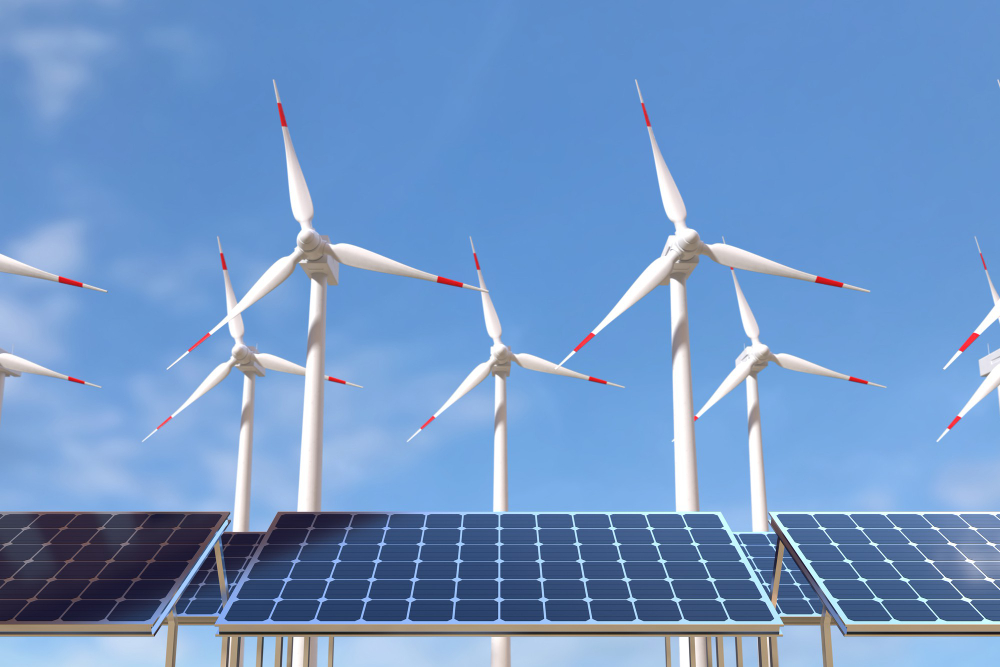
In today’s rapidly evolving world, the question Solar Power and Renewable Energy isn’t just a topic for environmentalists or tech enthusiasts—it’s a guiding principle for anyone looking to live more sustainably in 2025. As more homeowners, businesses, and communities turn to cleaner energy, understanding the basics of solar power becomes essential. From dropping panel prices and innovative financing options to smarter systems managed by artificial intelligence, solar power is reshaping how we produce and consume electricity.
Whether you’re curious about reducing your carbon footprint, lowering utility bills, or simply staying ahead of the curve, this beginner’s guide will walk you through everything you need to know about switching on to a brighter, greener future.
Why Solar Power and Renewable Energy Matter in 2025
In 2025, global energy demand continues to rise. Traditional fossil fuels—coal, oil, and natural gas—still meet the majority of our needs, but at tremendous environmental and financial costs. Climate change, air pollution, and volatile fuel prices have pushed governments, businesses, and homeowners toward renewables. Among them, solar power stands out not only for its scalability but also for its rapidly falling installation costs.
Here’s why solar power in particular is taking center stage:
- Record-Breaking Affordability
Year after year, panel manufacturing costs have fallen by roughly 10% annually, making solar installations on par with—or even cheaper than—traditional grid electricity in many regions. For budget-conscious homeowners, that translates into payback periods as short as five years in sunny locales. - Decentralized Reliability
Instead of relying solely on distant power plants, solar arrays on rooftops or community solar farms bolster grid resilience. When paired with battery storage, these systems can deliver backup power during outages or peak-demand surges. - Environmental Impact
Every kilowatt-hour generated from rooftop panels or ground-mounted arrays offsets greenhouse gas emissions equivalent to planting dozens of trees. In 2025’s urgent fight against climate change, scaling up solar capacity remains one of the most straightforward strategies. - Comparative Edge
While wind, hydro, and geothermal all play vital roles, solar often emerges as the best renewable energy source for distributed generation and residential applications. Its modular nature allows homeowners to start small and expand over time with minimal disruption. - Policy Momentum
Many governments now offer tax credits, rebates, or even performance-based incentives to lower upfront costs. Coupled with corporate renewable-energy credits, this policy tailwind is helping both individuals and businesses go solar faster.
By understanding these drivers, beginners can appreciate why investing in solar power isn’t just about switching technologies—it’s about participating in a global energy revolution that’s well underway.
What Beginners Need to Know About Solar and Renewable Energy
Diving into solar and power renewable energy can feel overwhelming if you’re unfamiliar with the terminology or the installation process. Here’s a straightforward primer:
- System Components
- Photovoltaic (PV) Panels: Convert sunlight into direct current (DC) electricity.
- Inverters: Turn DC into alternating current (AC) for home use.
- Mounting Hardware: Secures panels on rooftops or ground-mount systems.
- Batteries (Optional): Store excess energy for nighttime or cloudy days.
- Monitoring Software: Tracks production, usage, and system health.
- Photovoltaic (PV) Panels: Convert sunlight into direct current (DC) electricity.
- Sizing Your System
Calculate your average monthly electricity consumption (in kilowatt-hours) and consider factors like roof orientation, shading, and local solar irradiance. A reputable installer can fine-tune these estimates to recommend a system size that meets your needs without overshooting your budget. - Financing Models
- Cash Purchase: Maximum long-term savings, but highest upfront cost.
- Loans: Spread payments over 5–20 years; interest rates often low.
- Leases & Power Purchase Agreements (PPAs): Little to no upfront cost; you pay a fixed rate or monthly fee to use the system.
Regardless of your choice, many view solar as the best renewable energy source when factoring in total lifetime savings versus traditional utility rates.
- Cash Purchase: Maximum long-term savings, but highest upfront cost.
- Permitting & Interconnection
Solar installations typically require local permits and approval from your utility for grid connection. Most installers handle these paperwork details, but it’s good to know timelines can vary from a few weeks to a couple of months. - Maintenance
Solar panels are remarkably low-maintenance—occasional cleaning and an annual inspection usually suffice. Monitoring tools alert you to any performance dips, so you can address issues promptly.
By grasping these fundamentals, you’ll feel confident discussing proposals with installers, comparing quotes, and making choices that align with your goals.
Before diving in, get comfortable with these key concepts:
| Term | What It Means |
| Photovoltaic (PV) | Panels that convert sunlight directly into electricity. |
| Solar Thermal | Systems that use sunlight to heat water or air for your home. |
| Grid-Tied | Solar systems connected to the utility grid (no batteries). |
| Off-Grid | Fully independent systems with battery storage. |
| Net Metering | Getting credit for excess power you send back to the grid. |
| Capacity (kW) | The peak power output of your solar array. |
| Yield (kWh/year) | Total energy your panels produce annually. |
| Solar Irradiance | The strength of sunlight hitting your location. |
Choosing the right setup depends on your roof orientation, local climate, budget, and whether you want backup power. A typical starter system ranges from 3 kW–6 kW—enough to cover 50–100% of an average household’s electricity needs.
10 Surprising Ways Solar Power is Already Changing Your Life
You might not realize how many everyday conveniences depend—directly or indirectly—on solar energy innovations. Here are ten transformative impacts occurring right now:
- Portable Charging Stations
Solar-powered battery packs now charge phones, laptops, and even electric bikes off-grid during camping trips or emergency situations. - Solar-Infused Building Materials
Solar roof tiles and façade panels blend seamlessly into architecture, producing power without the bulky look of traditional systems. - Smart Streetlighting
Solar streetlights with integrated sensors adjust brightness based on motion, reducing energy waste and maintenance costs in municipalities. - Solar EV Chargers
Home and public charging stations equipped with rooftop panels let electric-vehicle drivers tap into 100% clean energy. - Wearable Tech
Self-charging watches and fitness trackers incorporate flexible solar cells, extending battery life in all lighting conditions. - Agrivoltaics
Dual-use farmland combines crop production with elevated PV panels, boosting yields and providing shade to heat-sensitive plants. - Solar-Powered Water Desalination
In water-stressed regions, solar thermal systems drive desalination units, delivering potable water to remote communities. - Energy-Generating Facades in Offices
Glass solar modules replace windows in high-rise buildings, cutting down on air-conditioning loads and operating costs. - IoT-Enabled Solar Sensors
Tiny, solar-powered sensors monitor soil moisture or air quality, informing precision agriculture and smart-city initiatives. - Community Solar Programs
Renters or homeowners with shaded roofs can subscribe to shared solar farms, earning credits on their utility bills without installing panels themselves.
These examples show that solar power isn’t confined to rooftop arrays—it’s woven into novel products and services that touch nearly every aspect of modern life.
Below is a snapshot of how solar power is making impacts you may not have considered:
| Area | Before Solar | After Solar | Benefit |
| Electric Bills | $150–$200/month | $0–$20/month | Big savings |
| Home Value | Standard market value | +3–5% increase | Higher resale price |
| Carbon Footprint | ~10 tons CO₂/year | ~2 tons CO₂/year | Major emissions cut |
| Outdoor Lighting | Grid-powered fixtures | Solar-powered LEDs | Free lighting, easier install |
| Pool Heating | Gas or electric heater | Solar thermal collectors | Lower operating costs |
| Electric Vehicle (EV) | Charging at gas station or home grid | Charging from rooftop PV | Cleaner driving, lower fuel costs |
| Home Battery Backup | No backup | Seamless power during outages | Peace of mind |
| Smart Appliances | Always on-grid | Integrated into your solar+storage system | Optimized energy usage |
| Community Solar | Limited to individual installations | Shared solar farms | Access for renters and shaded roofs |
| Portable Power | Gas generators for camping | Solar generators (with battery packs) | Quieter, emissions-free adventures |
The Rise of Smart Solar: AI, IoT, and the Future of Energy
The solar industry is no longer just panels and inverters. Welcome to the era of smart solar, where artificial intelligence (AI) and the Internet of Things (IoT) converge to optimize every watt: Here’s how cutting-edge technologies are revolutionizing the industry:
- Artificial Intelligence
Machine-learning algorithms analyze weather forecasts, historical performance, and real-time data to optimize when and how energy is stored or dispatched. Predictive maintenance flags potential faults—like microcracks or inverter inefficiencies—before they lead to costly downtime. - Internet of Things (IoT)
Networked sensors embedded in panels, inverters, and batteries feed granular data to cloud platforms. Homeowners receive alerts on smartphone apps, track savings in real time, and even automate energy usage around peak-production windows. - Blockchain-Enabled Energy Trading
In some pilot projects, households with excess generation can trade kilowatt-hours peer-to-peer, bypassing traditional utilities and unlocking new revenue streams. - Adaptive Panel Designs
Innovations like bifacial cells capture light from both sides of the panel, meaning reflective surfaces under the array actually boost output. Thin, flexible modules can affix to curved surfaces, motorcycles, or even backpacks.
Together, these advances are setting the stage for fully autonomous energy ecosystems—where supply, storage, and demand seamlessly interact to maximize efficiency and resilience.
How to Get Started: Your First Steps Into Solar Energy in 2025
- Assess Your Energy Profile
Review past utility bills or track your usage with a smart meter. This baseline helps determine the ideal system capacity. - Check Incentives
Research federal tax credits, state rebates, and local utility programs. In many cases, you can recoup 30–50% of your system cost through incentives alone. - Gather Multiple Quotes
Solicit proposals from at least three reputable installers. Compare system sizes, equipment brands, warranties, and financing terms. - Read the Fine Print
Examine performance guarantees, expected degradation rates, and any maintenance clauses. Make sure you understand who’s responsible for monitoring and repairs. - Plan for the Future
Consider adding battery storage or EV charging infrastructure down the road. Designing your system with expansion in mind can lower incremental costs later on. - Schedule Installation
Typical timelines span 4–8 weeks from contract signing to final interconnection. Your installer should manage permits, inspections, and utility approvals.
Challenges to Watch For—and How to Overcome Them
- Roof Condition & Orientation
Shading, age, and structural capacity may impede a rooftop system. Conduct a professional site assessment. If your roof isn’t ideal, look into ground-mount or community solar programs. - Upfront Costs
Even after incentives, solar installations can be significant investments. Explore low-interest green loans or PACE (Property Assessed Clean Energy) financing, which ties payments to your property tax bill. - Local Regulations
HOA restrictions or historic district rules may delay installations. Early engagement with authorities and architects can avoid surprises. - Supply Chain Delays
Equipment shortages occasionally lengthen lead times. Lock in pricing and delivery windows as early as possible. - Maintenance Needs
Although solar panels require little upkeep, inverters and batteries may need attention. Opt for robust service agreements and real-time monitoring to catch issues early.
By anticipating obstacles and working with experienced professionals, you can navigate these challenges smoothly and enjoy the full benefits of renewable energy.
Ways to Get Past Them
| Challenge | Why It Happens | How to Address It |
| Upfront Cost | High initial investment | Leverage loans, leases, PPAs, plus government incentives |
| Roof Condition | Old or damaged roofing | Reroof before solar installation |
| Shading Issues | Trees, neighboring buildings | Consider panel layout optimization or partial installs |
| Local Regulations | Permitting delays, HOA restrictions | Work with experienced installers who handle permits |
| Variable Sunshine | Seasonal and weather fluctuations | Pair panels with battery storage for consistent output |
| Maintenance Neglect | Dust, debris, or micro-cracks | Schedule annual inspections and cleanings |
| System Monitoring Complexity | Data overload from smart systems | Use user-friendly dashboards and installer support |
By anticipating these hurdles, you’ll breeze through deployment and enjoy years of trouble-free renewable energy.
Conclusion: Solar Power and Renewable Energy Are No Longer the Future—They’re the Now
From cost-competitive pricing to intelligent, AI-driven energy management, the case for switching to solar power has never been stronger. As communities and businesses seek the most sustainable—and ultimately, the most economical—ways to meet their electricity needs, solar stands out as the best renewable energy source for distributed, scalable solutions. Whether you’re installing panels on your home, subscribing to a community solar farm, or simply advocating for greener policies, you’re playing a major role in a clean-energy transition that’s already in full swing. Solar Power and Renewable Energy aren’t buzzwords; they’re the blueprint for a smarter, more resilient world—today.
FAQ
Q1: How long do solar panels last?
Most high-quality solar panels come with 25- to 30-year performance warranties. Even after that, they continue producing at around 80% of their original capacity.
Q2: Will I still get electricity when the sun isn’t shining?
Without batteries, your system will draw from the grid during nighttime or cloudy days. Adding a battery backup ensures power availability even during outages.
Q3: How much can I save on my electric bill?
Savings depend on your location, system size, and local energy rates. On average, homeowners save 50–90% on electricity costs over 20 years.
Q4: Can I go fully off-grid with solar?
Yes—with sufficient panel capacity and battery storage, complete off-grid living is feasible. However, it requires careful planning and may involve a generator as backup.
Q5: Does solar increase my home’s value?
Multiple studies show solar installations can increase property value by $15,000 or more on average, with quicker sales in competitive markets.
