


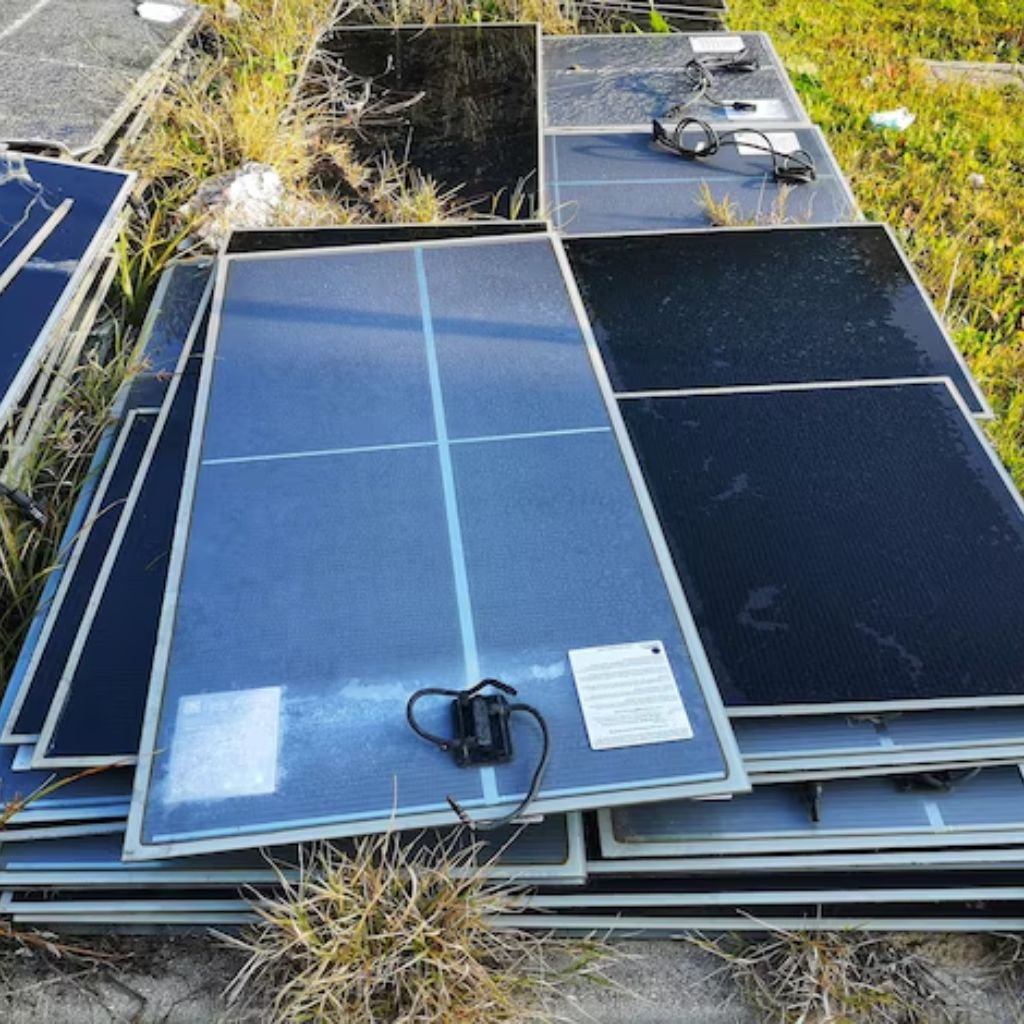
As solar energy becomes a mainstream power source in the U.S., choosing the right solar panel type has become increasingly important for both homeowners and B2B solar installers. With advancements in photovoltaic (PV) technology, the differences between polycrystalline and monocrystalline solar panels are more relevant than ever in 2025. This guide breaks down the key types of solar panels, compares their performance, cost, and suitability, and explores the latest trends reshaping the solar industry.
What Are the Main Types of Solar Panels in 2025?
The U.S. solar market has evolved dramatically, and in 2025, understanding the types of solar panels is essential for homeowners and B2B solar installers aiming to make smart, future-ready investments. Whether you’re building a residential solar energy system or installing commercial-scale photovoltaics, the type of panel you choose directly affects energy output, aesthetics, cost, and long-term reliability.
There are three main types of solar panels dominating the market in 2025:
- Monocrystalline Solar Panels (Mono-Si)
- Polycrystalline Solar Panels (Poly-Si)
- Thin-Film Solar Panels (TFSP)
While thin-film panels are still used in niche applications—such as building-integrated photovoltaics (BIPV) and portable solutions—most homeowners and solar businesses opt for either monocrystalline or polycrystalline panels for grid-tied residential and commercial installations. That’s because these two types offer the most efficient, durable, and scalable energy production solutions.
Here’s a quick overview of the main types available today:
| Type of Solar Panel | Description | Efficiency Range (2025) | Best Use Cases |
|---|---|---|---|
| Monocrystalline (Mono) | Made from a single crystal structure; black appearance | 20–24% | Residential rooftops, limited space installations, high-efficiency needs |
| Polycrystalline (Poly) | Made from multiple silicon fragments melted together; blue appearance | 16–18% | Large rooftops, utility-scale projects, cost-sensitive applications |
| Thin-Film Panels | Made from non-crystalline materials like CdTe or CIGS | 10–13% | Flexible applications, vehicles, specialty commercial uses |
| Bifacial Panels | Capture sunlight from both front and back sides | 22–26% | Ground-mounted systems, commercial rooftops |
| Heterojunction Technology (HJT) | Hybrid of mono and thin-film for higher output | 24–26% | High-end installations, future-ready homes and businesses |
While newer panel types like HJT and bifacial are gaining traction, monocrystalline and polycrystalline panels still dominate due to their affordability, availability, and balanced performance.
Polycrystalline vs Monocrystalline Solar Panels Explained
Understanding the fundamental differences between monocrystalline and polycrystalline solar panels can help buyers make more informed decisions. These differences stem from the way the silicon is processed.
Monocrystalline Panels
Monocrystalline (mono) panels are made from a single, continuous crystal structure, typically grown using the Czochralski process. This uniformity allows electrons to flow more freely, increasing the panel’s efficiency. These panels typically have a sleek black appearance and offer better space efficiency — ideal for homes or businesses with limited roof space.
Polycrystalline Panels
Polycrystalline (poly) panels are made by melting multiple fragments of silicon together. This process is less expensive but results in less efficient energy conversion. The panels usually have a speckled blue color and a somewhat grainier texture. Although they’re slightly less efficient, poly panels remain popular due to their lower cost per watt.
| Feature | Monocrystalline | Polycrystalline |
| Silicon Purity | High (single crystal) | Medium (multiple crystals) |
| Efficiency | Higher (20–24%) | Lower (16–18%) |
| Appearance | Black, sleek | Blue, speckled |
| Cost | Higher upfront cost | Lower upfront cost |
| Space Efficiency | More output per square foot | Requires more space |
| Lifespan | 25–30 years | 20–25 years |
| Ideal For | Space-limited areas | Budget-conscious projects |
Solar PV Performance: Monocrystalline vs Polycrystalline
Performance is often the deciding factor when choosing between these two panel types. In 2025, monocrystalline panels continue to outperform their polycrystalline counterparts across several key metrics, particularly in high-temperature or low-light environments.
Energy Output & Temperature Coefficient
Monocrystalline panels exhibit a lower temperature coefficient (typically -0.26%/°C), meaning their output decreases less with rising temperatures. In contrast, polycrystalline panels have a higher coefficient (around -0.36%/°C), leading to more significant drops in performance under heat.
Durability & Degradation
Both panel types now offer robust durability thanks to innovations in lamination and encapsulation. However, mono panels generally maintain their efficiency longer, degrading at a slower annual rate (~0.3–0.5%) compared to poly panels (~0.5–0.7%).
| Performance Metric | Monocrystalline | Polycrystalline |
| Efficiency (2025 Avg) | 21–24% | 16–18% |
| Temperature Coefficient | -0.26%/°C | -0.36%/°C |
| Degradation Rate (Annual) | 0.3–0.5% | 0.5–0.7% |
| Power Tolerance | Better (0 to +5W) | Standard (-3% to +3%) |
| Shading Tolerance | Slightly better | Average |
| Wind & Snow Load | High | Moderate to high |
For climates with frequent heat waves, like in Arizona or California, monocrystalline panels provide better returns due to their thermal efficiency.
Cost Comparison in 2025: Mono vs. Poly
Cost is often the deciding factor for homeowners and businesses exploring solar in 2025. And while solar prices have dropped substantially over the last decade, the polycrystalline vs monocrystalline solar panel debate continues to be influenced heavily by budget.
As of 2025, polycrystalline solar panels are still the more affordable option per watt, largely due to simpler and less energy-intensive manufacturing. However, monocrystalline panels, despite being more expensive upfront, offer better long-term value through higher efficiency, reduced space requirements, and slower degradation.
Installation Costs
In 2025, the average cost of solar panel installation in the U.S. ranges from $2.30 to $3.10 per watt, depending on panel type and location.
| Cost Factor | Monocrystalline | Polycrystalline |
| Average Cost per Watt | $2.80 – $3.10 | $2.30 – $2.60 |
| 6 kW System Cost (Before Incentives) | $16,800 – $18,600 | $13,800 – $15,600 |
| Federal Tax Credit (30% in 2025) | -$5,040 to -$5,580 | -$4,140 to -$4,680 |
| Net Cost After Incentives | $11,760 – $13,020 | $9,660 – $10,920 |
| Payback Period | 7–9 years | 9–11 years |
Although mono panels cost more upfront, their higher energy output may result in a shorter payback period — especially in regions with high electricity rates or net metering policies.
Which Type of Solar Panel Is Right for You?
Choosing between monocrystalline and polycrystalline panels depends on your unique energy goals, location, roof size, budget, and usage pattern. Here’s a quick guide to help you determine what fits best:
- Choose Monocrystalline if:
- You have limited roof space.
- You live in a region with intense sunlight and high temperatures.
- You want the highest efficiency and long-term savings.
- Aesthetics (sleek, black design) are important.
- You can invest more upfront for better ROI.
- You have limited roof space.
- Choose Polycrystalline if:
- You have ample space and want to minimize initial costs.
- You’re building a large-scale system (e.g., farm or commercial solar field).
- You live in a cooler region where heat tolerance isn’t a concern.
- You want a budget-friendly way to reduce energy costs.
- You have ample space and want to minimize initial costs.
Here’s a decision matrix to guide your choice:
| Factor | Best for Monocrystalline | Best for Polycrystalline |
| Roof Space | Limited | Abundant |
| Budget | Higher, long-term ROI | Lower, upfront savings |
| Climate | Hot and variable | Mild and stable |
| Aesthetic Preference | Sleek black panels | Less concern over look |
| Project Type | Residential, commercial rooftops | Ground-mounted, utility-scale |
| Energy Efficiency Goals | High | Moderate |
Homeowners in urban or high-cost energy markets might benefit more from monocrystalline systems, while B2B solar installers handling agricultural or warehouse-scale installations may lean toward polycrystalline for cost-efficiency.
2025 Trends in Solar Panel Technology
Solar panel technology is evolving quickly, and 2025 has ushered in several exciting advancements that are transforming how we think about solar power:
Key trends to watch:
- PERC Technology Goes Mainstream: Passivated Emitter and Rear Cell (PERC) technology, once only available in premium monocrystalline panels, is now being used in polycrystalline modules too, closing the efficiency gap.
- Bifacial Solar Panels: Bifacial modules, which absorb sunlight from both front and back, are gaining traction in both mono and poly variants, boosting energy yield by up to 30%.
- TOPCon and HJT Innovations: Advanced monocrystalline panels now include Tunnel Oxide Passivated Contact (TOPCon) and Heterojunction Technology (HJT), pushing efficiency beyond 24%.
- AI-Powered Solar Monitoring: Smart inverters and AI analytics are improving panel performance across the board, helping homeowners get more from either type of panel.
- Improved Recycling and Sustainability: New panel recycling programs and eco-friendly manufacturing processes are making both panel types greener, appealing to sustainability-conscious buyers.
These innovations are reducing the performance gap between poly and mono, while also offering more advanced solutions for niche markets like floating solar farms and agri-voltaics.
Conclusion
The decision between monocrystalline and polycrystalline solar panels in 2025 boils down to efficiency needs, budget, and project constraints. Monocrystalline panels offer superior performance and aesthetics, making them ideal for homeowners and premium commercial installations. Polycrystalline panels, though slightly less efficient, remain cost-effective and practical for larger-scale or budget-sensitive projects.
Both types play a vital role in the U.S. solar ecosystem. By understanding the unique strengths and trade-offs of each, homeowners and installers can make smarter decisions that align with their energy goals and financial plans.
FAQ
What is the main difference between monocrystalline and polycrystalline solar panels?
The primary difference lies in their silicon structure. Monocrystalline panels are made from a single silicon crystal, offering higher efficiency and better performance. Polycrystalline panels are made from melted silicon fragments, resulting in lower cost but reduced efficiency.
Which type of solar panel lasts longer?
Monocrystalline panels typically last 25–30 years or more, while polycrystalline panels last around 20–25 years. Both come with 25-year performance warranties in 2025.
Are polycrystalline panels still worth installing in 2025?
Yes, especially for large-scale projects or budget-conscious homeowners. With modern improvements like PERC and bifacial tech, polycrystalline panels are more efficient and reliable than ever.
Which panel type performs better in hot climates?
Monocrystalline panels generally perform better in high temperatures due to a lower temperature coefficient, making them ideal for hot U.S. states like Arizona, Texas, or Nevada.
Can I mix monocrystalline and polycrystalline panels?
It’s technically possible but not recommended, as it can lead to system inefficiencies and complicate power output matching. Stick to one type for optimal performance.
