


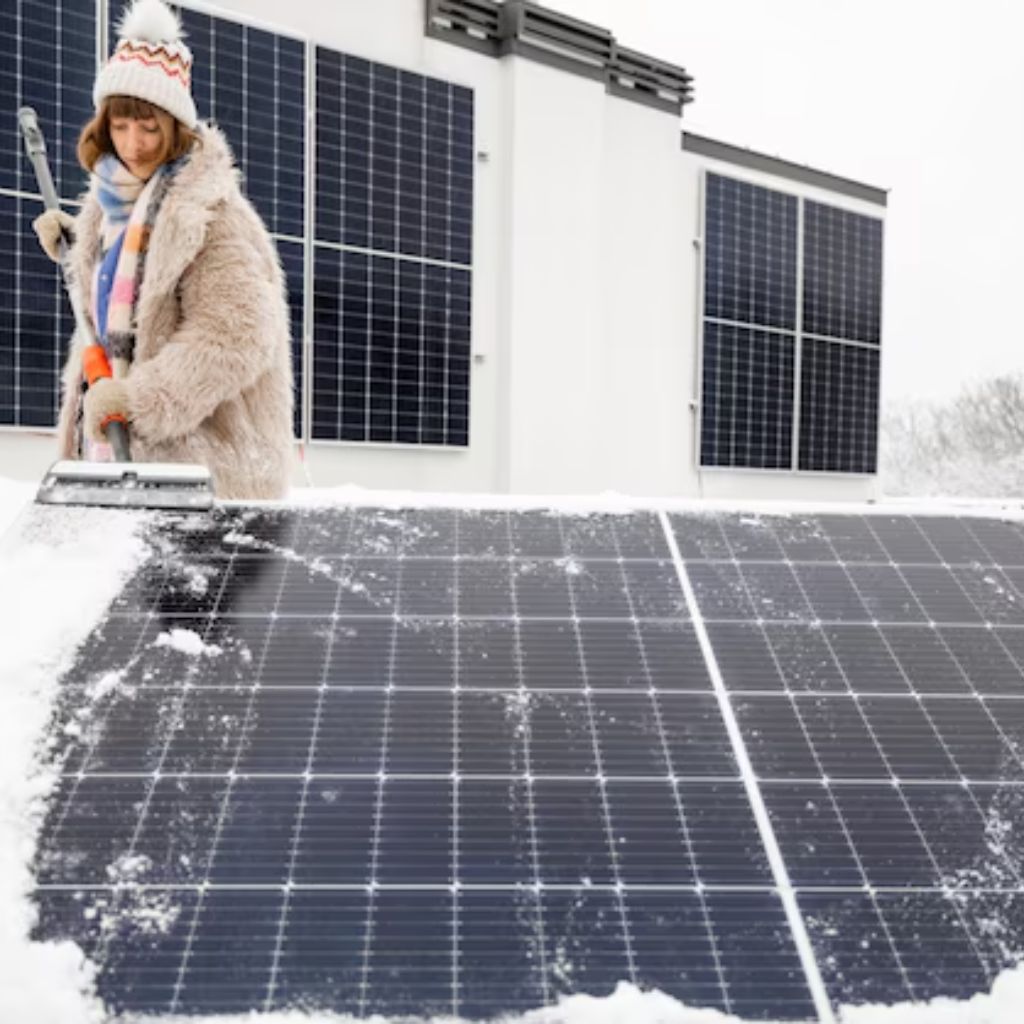
Best solar for home systems can transform how you power your life. With rising energy costs and a growing focus on sustainability, many homeowners are considering solar energy. It’s not just about saving money; it’s about making a positive impact on the environment.
In this article, you’ll learn about the top solar options available for residential use. We’ll cover the most efficient panels, installation tips, and financial incentives to help you make an informed decision. By the end, you’ll have a clear understanding of what the best solar for home means for you and your family.
Understanding Solar Energy
To understand the best solar for home, let’s start with the basics. Solar energy works by capturing sunlight and converting it into electricity through photovoltaic (PV) technology. Home solar systems typically include:
- Solar panels or shingles that absorb sunlight
- Inverters that convert direct current (DC) into usable alternating current (AC)
- Mounting systems that secure panels to your roof
- Batteries (optional) for energy storage
There are several types of solar products homeowners can choose from:
- Solar panels – the most common option, available in monocrystalline, polycrystalline, and thin-film varieties.
- Solar shingles – integrated into your roof for a sleek, modern look.
- Solar concentrators – less common for homes, typically used in larger projects.
Among these, solar panels remain the most popular and practical choice because of their proven efficiency and long lifespan.
Best Solar Panels
When people think of the best solar for home, high-efficiency solar panels are usually the first thing that comes to mind. The best solar panels today deliver efficiencies between 15% and 22%, depending on the brand and technology.
Top-performing solar panel brands in 2025 include:
- SunPower – market leader in efficiency (up to 22.8%), known for premium quality.
- LG Solar – sleek design and excellent warranty coverage.
- Canadian Solar – affordable and reliable with global recognition.
- Q CELLS – excellent mid-range option with solid performance.
Most of these panels come with warranties ranging from 25 years to lifetime coverage, ensuring peace of mind and long-term returns on your investment.
Best Solar Shingles
If aesthetics matter as much as performance, the best solar shingles may be your perfect solution. Unlike traditional panels, solar shingles blend seamlessly into your roof, giving you power without compromising style.
- Tesla Solar Roof – sleek glass shingles that double as roofing material.
- CertainTeed Apollo Shingles – versatile and durable, designed to integrate with traditional asphalt roofs.
While shingles are generally more expensive than panels, they offer a modern, minimalist appeal and are ideal for new constructions or roof replacements.
Best Solar Installation Practices
Installing the best solar for home requires more than just buying panels. Proper installation ensures maximum efficiency and long-term reliability.
Key installation tips:
- Roof Orientation – South-facing roofs in the U.S. capture the most sunlight.
- Shading – Trim trees or remove obstructions to maximize solar exposure.
- Roof Condition – Ensure your roof is strong enough to support panels before installation.
- Angle – Panels should typically be installed at the same angle as your latitude for peak efficiency.
Best Installation Companies
Choosing the right installer is just as important as choosing the right panels. The best solar for home companies usually have:
- NABCEP certification (North American Board of Certified Energy Practitioners).
- Strong customer reviews and local references.
- Transparent contracts with clear warranties.
Some of the leading national installation companies in 2025 include Sunrun, ADT Solar, and Momentum Solar. However, don’t overlook local installers, who may offer lower prices and more personalized service.
Best Time to Install Solar
The best time to install solar for home systems depends on your region and climate. Generally:
- Spring and Fall – Best seasons for installation due to mild weather.
- Before Summer – Smart homeowners install panels before peak sunshine months to maximize savings.
- Roof replacement – If your roof is old, replace it before going solar to avoid double costs later.
Best Financial Incentives for Solar
Solar energy can feel expensive upfront, but the best solar for home incentives make it surprisingly affordable.
- Federal Solar Tax Credit (ITC 2025) – Claim up to 30% of your installation costs back as a tax credit.
- State Incentives – Rebates, grants, and property tax exemptions vary by state.
- Net Metering – Sell unused electricity back to your utility company.
- Solar Renewable Energy Credits (SRECs) – Earn credits for producing clean power.
These financial benefits can cut your installation cost by 40–50%, making solar one of the smartest investments for homeowners.
Best Maintenance for Solar Systems
Best maintenance for solar systems keeps them efficient. Regularly clean the panels to remove dirt and debris. Inspect for shade growth or damage at least once a year. With these insights, you can choose the best solar for your home confidently.
Solar energy offers a sustainable solution to meet your energy needs. Choosing the best solar systems for your home enhances energy independence while promoting environmental sustainability. This article covers the benefits of solar panels, leading solar options, and tips for maximizing efficiency.
Benefits of Solar Panels for Homes
Environmental Impact
Solar panels for homes significantly reduce carbon emissions. The energy generated from solar power decreases reliance on fossil fuels. You contribute to a cleaner environment by using solar energy instead of conventional sources. For example, switching to solar can reduce greenhouse gas emissions by up to 100 tons over 20 years. This positive impact leads to improved air quality and a more sustainable ecosystem.
Financial Savings
Solar panels for homes lead to substantial financial savings. By harnessing the sun’s energy, you can lower your electricity bills significantly. Homeowners can expect savings of 50% or more on energy costs. Many states offer incentives, such as tax credits or rebates, further reducing the initial investment. For example, the Federal Investment Tax Credit provides a 26% credit on solar system costs, making solar more affordable. Over time, these savings can pay back your initial investment, providing long-term financial benefits.
Increased Home Value
Solar panels for homes increase property value. Homes equipped with solar energy systems sell for 4.1% more on average than non-solar homes. Potential buyers often view solar systems as a desirable feature, enhancing marketability. This premium can offset installation costs, creating an overall profitable home investment.
Leading Solar Options
High-Efficiency Solar Panels
High-efficiency solar panels provide maximum energy output. Brands like LG and SunPower lead the market with solar panels that convert up to 22% of sunlight into usable energy. These panels also come with long warranties, ensuring reliability and production confidence.
Solar Shingles
Solar shingles offer an attractive solution for homeowners. Brands like Tesla and CertainTeed create shingles that blend with traditional roofing materials. This integration provides aesthetic appeal while generating power, making solar energy more accessible.
Installation Tips
Assess Roof Conditions
Before installation, assess your roof’s conditions. Ensure proper orientation and minimal shading for optimal energy capture. South-facing roofs receive the most sunlight, maximizing efficiency.
Choose Certified Installers
Selecting certified installers guarantees professional service and proper panel placement. Experienced installers understand local regulations and ensure smooth installation processes.
Maintain Your Solar System
Regular maintenance is crucial for solar efficiency. Clean your panels periodically to remove dirt and debris. Consider professional inspections annually to ensure all components function correctly.
With the right solar solutions, you can significantly impact both your finances and the environment. The best solar for home combines efficiency, value, and sustainability, making it an ideal choice for homeowners.
Leading Solar Options
| Option | Efficiency | Cost | Aesthetics | Lifespan |
|---|---|---|---|---|
| Monocrystalline Panels | 18–22% | $$$ | Sleek Black | 25–30 yrs |
| Polycrystalline Panels | 13–16% | $$ | Blue Tint | 25 yrs |
| Thin-Film Panels | 10–12% | $ | Flexible/Light | 15–20 yrs |
| Solar Shingles | 14–18% | $$$$ | Roof-Integrated | 25–30 yrs |
Types of Solar Panels
Monocrystalline Panels
Monocrystalline panels stand out in solar technology. They’re made from single-crystal silicon, leading to high efficiency and compact design. These panels typically have efficiencies between 15% and 22%. For residential installations, this high efficiency means less space is required. Monocrystalline panels perform better in low-light conditions compared to other types. Brands like SunPower offer some of the top monocrystalline options, backed by strong warranties. Expect a lifespan of 25 years or more with these panels. Their sleek appearance enhances home aesthetics, making them a popular choice for homeowners.
Polycrystalline Panels
Polycrystalline panels are another effective option for solar for home installations. Made from multiple silicon crystals, these panels are less expensive than monocrystalline models. However, they usually have slightly lower efficiency, ranging from 13% to 16%. Polycrystalline panels tend to perform worse in high temperatures. Popular brands include Canadian Solar, which offers reliable products at competitive prices. While they require more space to achieve the same power output as monocrystalline panels, their affordability makes them appealing. Homeowners should consider their roof size and energy needs when selecting polycrystalline panels.
Thin-Film Panels
Thin-film panels represent a unique category in the solar for home market. These panels utilize a variety of materials, including cadmium telluride and amorphous silicon. They offer flexibility, lightweight design, and ease of installation. While thin-film panels typically have lower efficiency levels—around 10% to 12%—they perform well in high temperatures and shading conditions. Brands like First Solar manufacture reliable thin-film options. Due to their lightweight nature, these panels suit unconventional roof types. Homeowners with specific aesthetics or functional needs might find thin-film panels an appropriate choice.
Factors to Consider When Choosing Solar for Home
When selecting the best solar for home, consider factors such as roof orientation, available space, and budget. Evaluating these factors helps determine the most suitable panel type. Additionally, consider any local regulations or incentives available for solar installation. Understanding your energy consumption will guide you in selecting the right system size, ensuring cost-effectiveness over time.
Financial Incentives for Solar for Home
Financial incentives significantly impact the decision to invest in solar for home systems. Federal tax credits can reduce upfront costs by up to 26%. State and local programs provide additional rebates, further enhancing affordability. Research available programs in your area to maximize savings.
Installation Best Practices for Solar for Home
Proper installation is crucial for maximizing the efficiency of your solar for home system. Hire certified installers who follow best practices. Ideal installation conditions include a south-facing roof with minimal shading. Scheduling installations during spring or fall optimizes energy production.Maintenance for Solar for Home
Regular maintenance ensures your solar for home system operates efficiently. Cleaning panels and scheduling annual inspections keeps systems in top condition. Most manufacturers recommend checking connections and monitoring performance yearly to maintain energy output.
By understanding different solar types, financial incentives, and maintenance needs, you can make informed decisions about the best solar for home.
How to Choose the Best Solar for Home
Choosing the best solar for home requires careful consideration of multiple factors to ensure an effective installation.
Assessing Energy Needs
Assessing energy needs is the first step in determining the best solar for home. Start by reviewing your monthly energy bills to find your average usage in kilowatt-hours (kWh). Most homes consume between 500 and 1,200 kWh per month. To calculate the size of your solar system, consider how much energy you want to offset. Homeowners often aim to cover 100% of their energy needs. For example, if your monthly usage is 800 kWh, you’ll need a system capable of generating roughly 9600 kWh annually. Use this metric to size your panels effectively.
Evaluating Roof Space
Evaluating roof space is crucial when selecting the best solar for home. Measure the usable area on your roof that receives direct sunlight. Most solar panels require about 100 square feet for installation. The orientation and angle of your roof significantly impact solar efficiency. South-facing roofs typically perform best. If your roof has limited space, consider using high-efficiency solar panels, such as monocrystalline models, which take up less area to produce the same output as traditional panels. Confirm your roof’s condition as well. A sturdy, unobstructed roof maximizes solar production.
Budget Considerations
Budget considerations significantly affect your choice in the best solar for home. Solar panel prices vary by type. Monocrystalline panels can range between $1 to $1.50 per watt, while polycrystalline options cost about $0.70 to $1.20 per watt. Factor in additional costs such as inverters, installation, and maintenance, which can total $2.50 to $3.50 per watt. Consider available financial incentives, as federal tax credits can reduce installation costs by 26%. Research state-specific rebates, grants, and financing options. These can make solar more affordable and influence your overall budget.
Installation Process
Best solar for home systems provide financial and environmental benefits. You can save on energy costs by generating your electricity. Homes with solar systems can save 50% or more on energy bills. Additionally, solar energy contributes to reducing carbon footprints. Your choice to go solar also increases property value by an average of 4.1%.
Finding a Reliable Installer
Best solar for home installation begins by finding a reliable installer. Research local companies and check customer reviews. Look for certified installers to ensure quality. Compare at least three quotes. Verify credentials and warranties before making a choice.
Permits and Regulations
Best solar for home installations require permits. Check local building codes before proceeding. Regulations may vary by state and even by city. Always obtain necessary permits to avoid fines. Local regulations determine installation methods, so stay informed.
Financial Incentives
Best solar for home systems come with various financial incentives. Federal tax credits offer up to 26% of system costs. Additionally, many states provide rebates and incentives. Some utility companies offer performance-based incentives. Research financial programs available in your area to maximize savings.
Maintenance Considerations
Best solar for home maintenance ensures peak performance. Regularly clean panels to remove dirt and debris. Inspect the system at least once a year. Look for any signs of wear or damage. Proper maintenance enhances efficiency and longevity.
Conclusion
You now possess valuable information about the best solar options for your home. This helps ensure informed decisions about solar energy investments. By considering various aspects, you enhance your home’s energy efficiency and value.
Investing in solar energy for your home is a smart choice that pays off in multiple ways. By selecting the right solar panels and ensuring proper installation, you can significantly reduce your energy costs while contributing to a healthier planet.
With the variety of options available—from high-efficiency panels to aesthetically pleasing solar shingles—you can find a solution that fits your needs and enhances your home’s value. Don’t forget to take advantage of financial incentives that make this transition even more affordable.
By making informed decisions, you’re not just saving money; you’re also embracing a sustainable future for yourself and generations to come. Start your solar journey today and enjoy the benefits of clean energy.
Frequently Asked Questions
What are the benefits of solar energy for homeowners?
Solar energy helps reduce energy costs, promotes environmental sustainability, and can increase property value. Homeowners can save up to 50% or more on energy bills and enjoy financial incentives like federal tax credits and state rebates.
What types of solar panels are available for residential use?
There are three main types of solar panels: monocrystalline (high efficiency), polycrystalline (affordable with lower efficiency), and thin-film (flexible and lightweight). Choosing the right type depends on your budget, roof space, and energy needs.
How do I choose the best solar panels for my home?
Consider factors such as your energy needs, available roof space, local regulations, and budget. Assess your monthly energy bills to determine necessary system size and ensure your roof receives direct sunlight for optimal performance.
When is the best time to install solar panels?
Spring and fall are ideal for solar panel installation, as these seasons maximize energy production. Scheduling your installation during these times can lead to better performance and quicker energy generation.
How can I ensure proper solar panel installation?
Choose certified installation companies to ensure quality and efficiency. Review local regulations, obtain necessary permits, and communicate clearly about your energy goals. Proper installation is crucial for maximizing the benefits of solar energy.
What maintenance do solar panels require?
Regular maintenance includes cleaning your panels and conducting annual inspections to ensure optimal performance. Keeping the panels clear of debris and dirt helps maintain their efficiency and prolongs their lifespan.
Do solar panels really increase home value?
Yes, homes with solar systems can sell for an average of 4.1% more than those without. The savings on energy costs and environmental benefits make solar installations attractive to potential homebuyers.
What financial incentives are available for solar energy?
Homeowners can benefit from various financial incentives, including federal tax credits and state rebates. These programs make solar energy more affordable, helping to offset installation costs and improve return on investment.
