


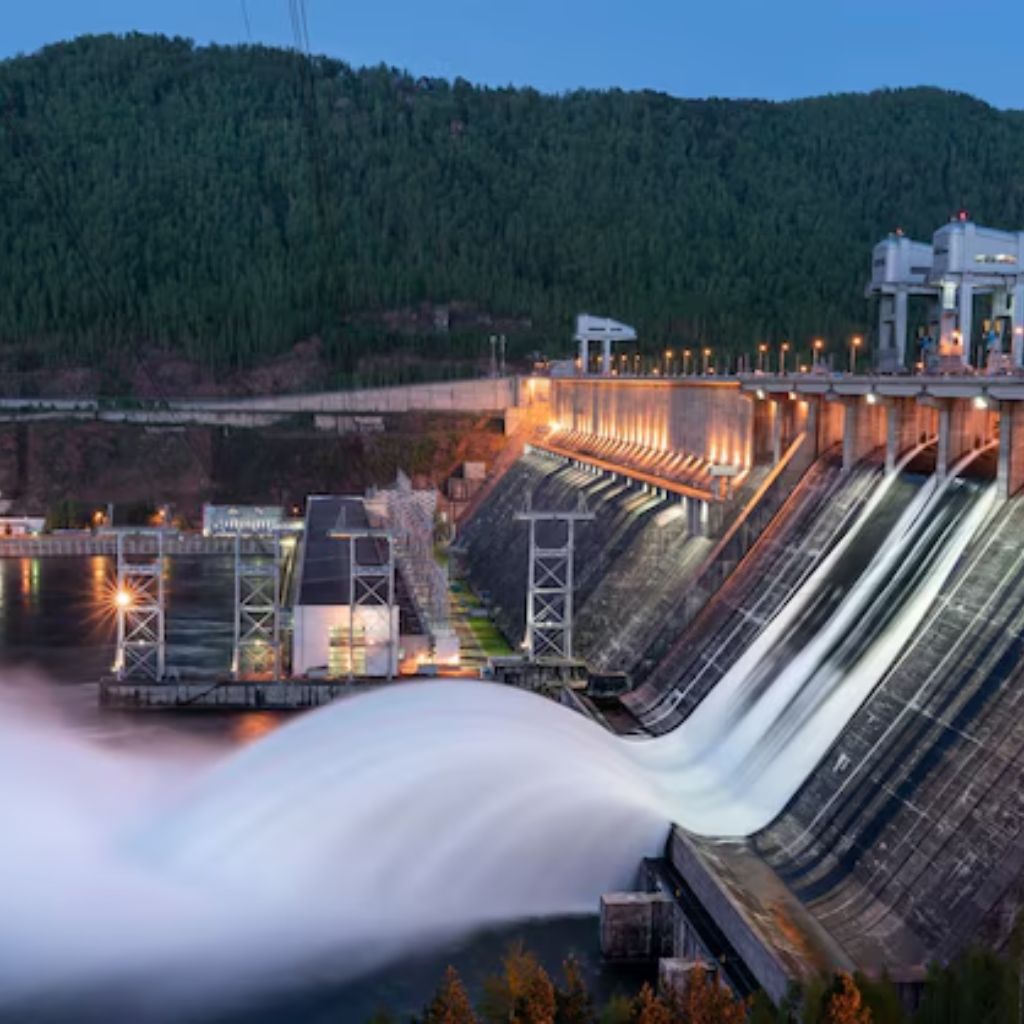
Hydropower, also known as hydropower energy, is one of the oldest and most reliable forms of renewable electricity generation. It harnesses the natural movement of water—rivers, streams, or tides—to produce energy. Essentially, hydropower energy converts kinetic energy from flowing or falling water into mechanical energy, which then drives turbines connected to generators that produce electricity.
But are there different types of hydropower energy? Yes—and that’s exactly what makes it so fascinating. The systems vary widely, from massive dams like China’s Three Gorges Dam to tiny off-grid hydro setups that power remote villages. This flexibility is why hydropower continues to evolve as a cornerstone of clean energy solutions.
As countries worldwide shift toward green energy hydropower, hydropower remains a vital player in reducing dependence on fossil fuels. It provides consistent, dispatchable energy—something intermittent sources like solar and wind often struggle with. Moreover, hydropower energy contributes significantly to climate goals, supporting low-carbon economies and sustainable development. In today’s age of climate urgency, understanding is hydropower renewable energy, how it works, and the advantages of hydropower energy and disadvantages can help us make better choices for a cleaner planet.
Understanding the Basics — Is Hydropower Renewable Energy?
So, is hydropower renewable energy? Yes — absolutely. Hydropower is considered renewable because it relies on the Earth’s natural water cycle, which is constantly replenished by rainfall and the sun’s heat. Unlike fossil fuels that can deplete over time, water flow is a continuous, natural process.
This is what makes hydropower renewable energy so special. It’s not just sustainable; it’s dependable. As long as rivers flow and rain falls, hydropower can generate energy without running out of fuel.
When comparing hydropower renewable energy with solar or wind, one major difference is consistency. Solar power depends on sunlight, and wind energy depends on wind speed. But hydropower provides a steady and controllable energy supply, making it a key player in maintaining electricity grid stability.
Here are a few compelling hydropower energy facts:
- It provides about 70% of renewable energy globally.
- Hydropower plants can reach efficiency rates above 90%, making them the most efficient energy converters.
- Countries like Norway and Canada generate nearly all their electricity from hydropower.
Although hydropower is categorized as green energy hydropower, it’s not entirely impact-free. Large dams can disrupt fish habitats and alter local ecosystems. However, ongoing technological innovations are improving environmental sustainability, ensuring hydropower remains both renewable and responsible.
Are There Different Types of Hydropower Energy?
When asking “are there different types of hydropower energy?”, the simple answer is yes—there are multiple types, each with unique mechanisms, scales, and environmental impacts. Broadly, hydropower systems are categorized based on water storage capacity, flow management, and project scale.
The five main types are:
- Impoundment Hydropower (Dams and Reservoirs)
- Run-of-River Hydropower
- Pumped Storage Hydropower
- Tidal and Wave Hydropower
- Micro and Pico Hydropower Systems
Each of these systems serves specific energy needs, from large-scale national grids to small rural microgrids. Together, they demonstrate that hydropower energy is far more versatile than most people realize. Let’s dive deeper into each type to understand how they work and how they fit into the bigger picture of hydropower renewable energy.
1. Impoundment Hydropower (Dams and Reservoirs)
Impoundment hydropower is what most people imagine when thinking of hydropower energy—massive dams that store water in large reservoirs. The water is released through turbines to generate electricity. Famous examples include the Hoover Dam (USA) and the Three Gorges Dam (China).
This type is crucial in discussions about are there different types of hydropower energy, as it represents the most traditional and large-scale model. Impoundment systems provide consistent, controllable power and can respond quickly to fluctuating demand.
Advantages:
- Provides consistent and reliable electricity supply.
- Can store large quantities of water, enabling electricity production during dry periods.
- Supports flood control, irrigation, and recreation.
Disadvantages:
- Significant environmental impact, including fish migration disruption and habitat loss.
- High initial construction costs and long building times.
- Can cause displacement of local communities.
Despite its drawbacks, impoundment hydropower remains a cornerstone of hydropower renewable energy, powering millions of homes worldwide and providing essential water management benefits.
However, under the advantages of hydropower energy and disadvantages, the environmental cost of dams is significant. They disrupt fish migration, alter natural river flow, and sometimes displace local communities. Still, their role in providing base-load and peak-load energy cannot be overstated. Impoundment projects also support flood control, irrigation, and water supply.
As part of green energy hydropower, innovations like fish ladders, sediment bypass systems, and eco-friendly turbines are improving sustainability and reducing the environmental footprint of large dams.
2. Run-of-River Hydropower
Run-of-river systems offer a gentler approach to hydropower renewable energy. Instead of relying on large reservoirs, they utilize the natural flow of rivers to generate power. Water is diverted through a small channel or penstock, spins a turbine, and returns to the river downstream.
These systems are ideal for regions where constructing large dams is impractical or environmentally sensitive. They’re smaller in scale, faster to deploy, and have lower ecological impacts. For example, many European and Himalayan villages rely on run-of-river setups for decentralized power generation.
This approach is ideal for locations where minimal environmental disruption is desired.
Advantages:
- Lower environmental impact than large dams.
- Shorter construction periods and lower costs.
- Suitable for rural and remote areas.
Disadvantages:
- Dependent on river flow—output may fluctuate with seasonal changes.
- Cannot store energy for peak demands.
In the discussion of “are there different types of hydropower energy,” the run-of-river type is a popular and eco-friendly solution for regions aiming to balance sustainability with reliability.
While discussing are there different types of hydropower energy, run-of-river models stand out as eco-conscious solutions. They minimize flooding risks and preserve natural ecosystems. However, their power output can fluctuate with seasonal water levels, making them less reliable than impoundment systems during dry seasons.
Despite this limitation, they represent a significant stride toward green energy hydropower, offering clean power without large-scale disruption.
3. Pumped Storage Hydropower
Among the various systems under are there different types of hydropower energy, pumped storage is often called the “battery of hydropower.” It doesn’t just generate power—it stores it.
The concept is simple yet ingenious. Water is pumped from a lower reservoir to an upper one during low electricity demand (using excess power). When demand rises, the stored water is released back down through turbines to produce electricity. This process helps stabilize the grid and complement intermittent renewable sources like wind and solar.
Advantages:
- Provides large-scale energy storage and grid stability.
- Can balance energy supply during peak and off-peak hours.
- Long lifespan and proven reliability.
Disadvantages:
- High construction and maintenance costs.
- Requires specific geographic conditions (elevation difference).
Hydropower renewable energy experts see pumped battery storage as a vital technology for the future of green energy hydropower, supporting a flexible, low-carbon electricity grid.
Countries like Japan, the U.S., and Switzerland rely heavily on pumped storage for energy balancing. While the advantages of hydropower energy here include grid flexibility and storage capacity, the disadvantages are the high capital costs and land use.
Still, as we move toward hybrid energy systems, hydropower renewable energy in the form of pumped storage is becoming more essential than ever.
4. Tidal and Wave Hydropower
Tidal and wave energy are emerging branches of hydropower renewable energy that utilize ocean movement. Tidal systems capture the rise and fall of tides using underwater turbines or barrages, while wave systems convert surface motion into energy.
When evaluating are there different types of hydropower energy, these ocean-based systems represent the future frontier. They’re highly predictable, renewable, and capable of producing vast amounts of electricity if scaled efficiently. Countries like the U.K., South Korea, and Canada are pioneers in this space.
Advantages:
- 100% renewable and highly predictable.
- Minimal visual impact.
- Ideal for coastal nations with strong tidal activity.
Disadvantages:
- High technology and maintenance costs.
- Potential ecological impacts on marine life.
Real-world projects, like Scotland’s MeyGen tidal array, demonstrate how green energy hydropower is expanding into ocean-based solutions.
However, these technologies are still in early development. High installation and maintenance costs, along with marine environmental concerns, limit their widespread use. Yet, their potential for green energy hydropower is immense. As technology matures, tidal and wave power could become vital components of global renewable strategies, complementing existing hydropower and offshore wind systems.
5. Micro and Pico Hydropower Systems
Not all hydropower plants are massive engineering feats. Micro and pico hydropower systems cater to small-scale or individual use, especially in rural or off-grid regions. A micro-hydro system can generate up to 100 kW of electricity, while pico systems produce less than 5 kW—enough to power homes, farms, or schools sustainably.
In developing nations, these systems are revolutionizing access to clean energy. They are cost-effective, easy to maintain, and eco-friendly. By answering are there different types of hydropower energy, micro and pico systems prove that hydropower isn’t limited to large dams—it can be local and community-driven too.
Advantages:
- Affordable and easy to install.
- Minimal environmental footprint.
- Perfect for rural electrification and sustainable living.
Disadvantages:
- Generates limited power output.
- Requires consistent water flow.
These hydropower renewable energy systems empower rural economies by providing access to green energy hydropower, reducing dependency on diesel generators and improving living standards.
Some hydropower energy facts: installation can often be completed in weeks, efficiency exceeds 70%, and the environmental footprint is minimal. For rural electrification and energy equity, micro-hydro represents one of the most promising forms of green energy hydropower today.
Comparing the Types of Hydropower Energy
To better understand are there different types of hydropower energy, let’s compare them side by side.
| Type of Hydropower | Scale | Storage Required | Advantages | Disadvantages |
| Impoundment | Large | High | Consistent power supply, multipurpose use | Environmental impact, displacement |
| Run-of-River | Medium | Low | Eco-friendly, minimal disruption | Output varies with flow |
| Pumped Storage | Large | High | Excellent for energy storage and grid balance | Expensive to construct |
| Tidal/Wave | Emerging | Medium | Predictable and renewable | High development and maintenance costs |
| Micro/Pico | Small | Low | Affordable and community-based | Limited power capacity |
This table summarizes that are there different types of hydropower energy—yes, and each has distinct characteristics that make it suitable for different applications. From massive infrastructure projects to tiny local turbines, all contribute to the broader goal of green energy hydropower.
Advantages of Hydropower Energy and Disadvantages
The Advantages
- Renewable and Sustainable:
Hydropower relies on the natural water cycle, confirming that it is hydropower renewable energy—yes, absolutely. Unlike fossil fuels, it doesn’t deplete finite resources. - Reliable and Efficient:
Hydropower plants can reach over 90% efficiency, far exceeding most other renewable systems. - Grid Stability and Storage:
Pumped storage facilities help stabilize electricity grids by storing energy during low demand and releasing it during peak hours. - Low Operational Emissions:
Green energy hydropower generates electricity with minimal carbon emissions once built. - Long Lifespan and Economic Benefits:
Dams and hydro plants often last 50–100 years, providing long-term economic returns and local employment opportunities.
The Disadvantages
- Environmental Impact:
Large dams can alter river ecosystems, disrupt fish migration, and affect biodiversity. - High Initial Cost:
Constructing hydroelectric plants, especially impoundments, requires huge financial investment and time. - Water Dependency:
Droughts and seasonal water shortages can significantly reduce output, posing challenges for reliability. - Social Displacement:
Communities near dam sites may face relocation and cultural disruption.
Understanding these advantages of hydropower energy and disadvantages helps policymakers design smarter, more sustainable energy solutions. Balancing development and environmental care is the key to ensuring hydropower renewable energy remains truly green.
Surprising Hydropower Energy Facts You Didn’t Know
Here are some fascinating hydropower energy facts that might surprise you:
- Hydropower provides over 70% of renewable electricity worldwide.
- Norway generates more than 95% of its power from hydropower energy.
- The world’s first hydroelectric power plant was built in 1882 in Appleton, Wisconsin.
- Modern hydropower dams can operate efficiently for over a century.
- Small hydropower projects can power entire villages sustainably.
- Green energy hydropower contributes significantly to achieving carbon neutrality in several countries.
- Hydropower plants can ramp up or down electricity production in seconds, making them essential for balancing renewable grids.
These facts show why hydropower renewable energy remains one of the most dependable and globally impactful clean energy sources.
The Future of Hydropower Renewable Energy
The future of hydropower renewable energy lies in innovation and sustainability. New technologies such as eco-turbines, fish-friendly designs, and digital water management systems are making hydropower more environmentally responsible. Artificial intelligence and IoT-based monitoring now optimize water flow, maintenance, and energy output in real time.
Furthermore, hybrid systems are emerging—integrating solar and green energy hydropower to balance seasonal energy generation. In floating solar-hydro projects, solar panels installed on reservoirs complement hydropower output, ensuring consistent energy generation throughout the year.
Governments are also recognizing hydropower’s potential to stabilize renewable grids. Investment in modernization and retrofitting older plants with advanced turbines is increasing efficiency and reducing carbon footprints.
As climate change continues to reshape global energy policies, are there different types of hydropower energy? Yes—and these diverse systems will be central to a resilient, low-carbon energy future.
Conclusion: Why Hydropower Still Matters in a Renewable Future
To wrap up, the question “are there different types of hydropower energy?” has a clear and powerful answer—yes, and each type contributes uniquely to the renewable revolution. From massive impoundment dams to micro-hydro systems empowering rural villages, hydropower remains one of the most versatile and dependable sources of green energy hydropower.
Despite some drawbacks, the advantages of hydropower energy and disadvantages together tell a story of progress, innovation, and balance. As we move toward net-zero emissions, hydropower continues to anchor the renewable mix—offering stability, scalability, and sustainability.
Whether through hydropower renewable energy innovations or emerging tidal technologies, water will remain at the heart of our clean energy future. Understanding these systems empowers us to support a greener, more resilient planet.
FAQs: Understanding Hydropower Energy
1. Are there different types of hydropower energy?
Yes. There are five main types: impoundment, run-of-river, pumped storage, tidal/wave, and micro/pico systems.
2. Is hydropower renewable energy?
Absolutely. It relies on the natural water cycle, which is constantly replenished by rainfall and evaporation.
3. What are the main advantages of hydropower energy and disadvantages?
The key advantages include reliability, renewability, and low emissions, while disadvantages involve high costs and environmental concerns.
4. What are some important hydropower energy facts?
Hydropower generates about 17% of global electricity and more than 70% of renewable electricity.
5. Why is hydropower considered green energy hydropower?
Because it produces clean, emission-free electricity using naturally flowing water.
6. How does pumped storage hydropower work?
It stores excess electricity by pumping water to a higher reservoir, releasing it later to generate power when demand is high.
7. Can small-scale hydropower systems power homes?
Yes. Micro-hydro systems can efficiently power homes, farms, or small communities.
8. Which country relies most on hydropower energy?
`Norway leads globally, with over 95% of its electricity coming from hydropower.
9. What is the future of hydropower renewable energy?
The future is bright—eco-friendly designs, AI monitoring, and hybrid solar-hydro systems are making hydropower cleaner and more efficient than ever.
