


Imagine harnessing the sun’s energy right from your own roof. Solar panels for your residential roof aren’t just a trend; they’re a smart investment for your home and the environment. With rising energy costs and a growing focus on sustainability, more homeowners are turning to solar as a way to save money and reduce their carbon footprint.
Installing solar panels on your residential roof can transform the way you think about energy. Not only do they provide a renewable source of power, but they also increase your home’s value and offer potential tax incentives. It’s time to explore how solar panels can brighten your future while making a positive impact on the planet.
Overview of Solar Panels Residential Roof
Solar panels residential roof systems offer a powerful solution for homeowners seeking energy independence and significant savings. These systems convert sunlight into electricity, making them an integral part of sustainable living.
Installing solar panels on your residential roof reduces dependence on traditional energy sources, directly impacting monthly energy bills. The reduction can amount to up to 70% over time, leading to substantial savings for homeowners.
Besides financial incentives, solar panels enhance residential property values. Homes with solar panels typically sell for more than their traditional counterparts. Studies show that properties with solar installations sell for an average of 4.1% more, making solar panels a prudent investment.
Tax credits and rebates also sweeten the deal for those considering solar energy. Various state programs provide financial incentives that can lower initial installation costs, making it easier to transition to solar power. For instance, the federal solar tax credit allows homeowners to deduct a percentage of their solar installation costs from federal taxes.
The environmental benefits of solar panels on residential roofs are noteworthy. By generating clean energy, you contribute to reducing greenhouse gas emissions. Each solar panel produces an estimated 1.2 tons of carbon dioxide savings annually.
With durable technology, most solar panels last 25 years or more, requiring minimal maintenance. Homeowners can simply enjoy the benefits of clean energy without worrying about constant upkeep.
Choosing the right solar panels for your residential roof involves considering factors such as efficiency, warranty, and aesthetics. Modern options come in various designs, ensuring they complement your home’s style while providing maximum energy output.
Installing solar panels on your residential roof represents a commitment to sustainability and a smart financial choice. As renewable energy technologies advance, these systems will continue to lead the transformation toward a greener future.
Benefits of Solar Panels for Homeowners
Solar panels for homeowners deliver multiple advantages, making them an appealing choice for modern residences.
Cost Savings
Solar panels on your roof translate to significant cost savings. Homeowners save approximately 70% on energy bills by utilizing solar energy. With rising electricity costs, this reduction holds immense financial value. Additionally, government programs offer financial incentives, like tax credits and rebates, which lower installation expenses.
Many states provide robust rebates, further decreasing upfront costs. Moreover, solar panels increase home resale value, with properties featuring solar installations priced around 4.1% higher than those without. These savings contribute to a quick return on investment, allowing you to enjoy free electricity after the system is paid off.
Environmental Impact
Using solar panels for homeowners fosters a positive environmental impact. Solar energy reduces reliance on fossil fuels, leading to decreased greenhouse gas emissions. Each solar panel helps save about 1.2 tons of carbon dioxide annually, contributing to cleaner air and a healthier planet. By embracing solar energy, you support efforts toward sustainability and protect natural resources for future generations. The shift to renewable energy also promotes energy independence, allowing you to rely less on external sources. Transitioning to solar energy not only supports personal goals but enhances community resilience and promotes a greener world.
Types of Solar Panels for Residential Use
Choosing the right type of solar panels for residential use enhances energy efficiency and maximizes savings. Here’s an overview of the most popular options available today.
Monocrystalline Solar Panels for Residential Use
Monocrystalline solar panels are crafted from a single crystal structure, offering high efficiency and a sleek appearance. These panels convert sunlight into electricity at rates around 15% to 22%. They occupy less roof space compared to other types due to their higher energy output. With a longer lifespan, typically 25 years or more, monocrystalline panels often come with strong warranties. Their premium performance, along with the elegant design, makes them the top choice for many homeowners looking to make a stylish energy investment.
Polycrystalline Solar Panels for Residential Use
Polycrystalline solar panels consist of multiple silicon crystals melted together, resulting in a less uniform appearance. They provide efficiency rates between 13% to 16%, making them slightly less effective than monocrystalline panels. However, they come at a lower price point, which can fit tighter budgets. Polycrystalline panels typically require more space because of their lower energy output. With a lifespan of around 25 years, they also contribute significantly to long-term savings and reduce your electricity bills.
Thin-Film Solar Panels for Residential Use
Thin-film solar panels utilize a variety of materials, including cadmium telluride and amorphous silicon, which allow for flexibility and lightweight designs. These panels generally have lower efficiency rates, ranging from 10% to 12%. Despite this, they perform well in low-light conditions and high temperatures, making them a suitable choice for specific environments. Homeowners can benefit from their affordability, as thin-film panels often cost less to install. With a lifespan of around 10 to 20 years, they require more frequent replacements. Their unique characteristics can suit diverse residential needs, adapting to various roof types and layouts.
Installation Process for Residential Solar Panels
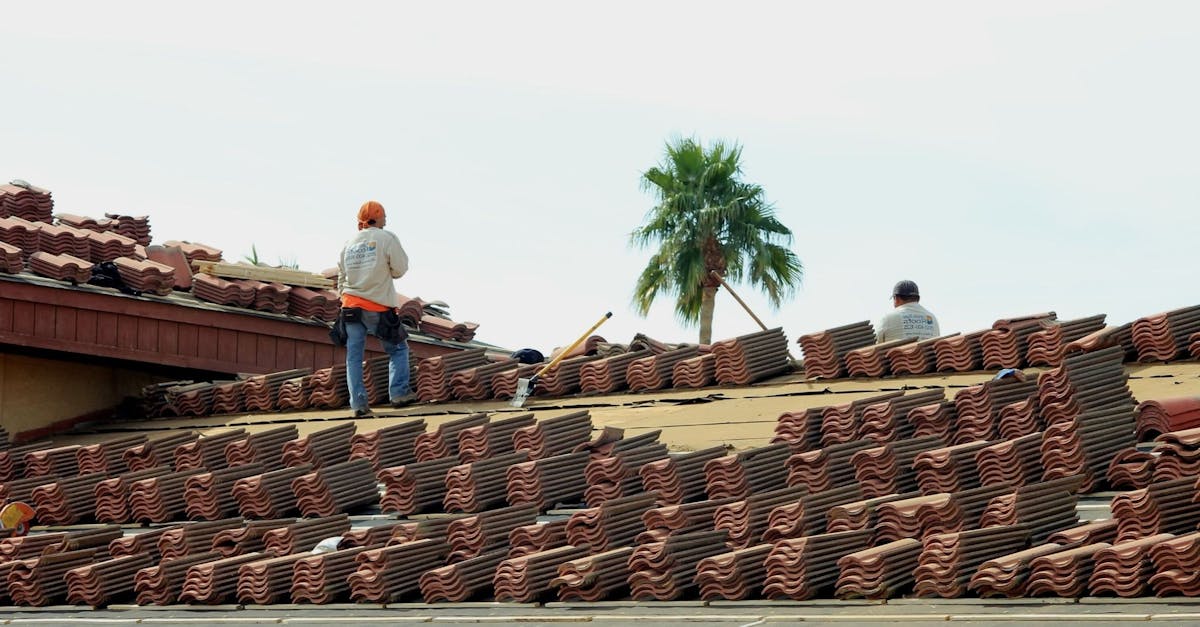
Installing solar panels on your roof involves several crucial steps designed to optimize your home’s energy efficiency and savings. Understanding the installation process empowers you to make informed decisions.
Site Assessment
The site assessment verifies your roof’s suitability for solar panels. A professional installer evaluates aspects like roof orientation, shading, and structural integrity. This assessment identifies any necessary repairs or reinforcements to support solar panels effectively. You’re also informed about potential energy production based on your location and roof specifications. The installer examines trees, nearby buildings, and other obstructions that could cast shadows on your panels, ultimately optimizing energy absorption.
Mounting Options
The mounting options for residential solar panels significantly affect performance and aesthetic appeal. Roof mounting remains a popular choice, utilizing brackets and rails to secure panels to the roof. This method maximizes sun exposure and integrates seamlessly with your home’s architecture. Ground-mounted systems provide flexibility in placement, allowing you to position panels at optimal angles, especially on larger properties. Alternatively, pole mounts adjust easily for seasonal changes, ensuring consistent energy production year-round. Choose the right mounting option based on your preferences, local regulations, and any HOA guidelines.
Embracing solar energy through effective installation enhances your energy independence and contributes to a sustainable future for your community.
Maintenance and Care of Solar Panels
Maintaining and caring for solar panels ensures optimal performance and longevity. Regular maintenance protects your investment and maximizes energy production.
- Cleaning Solar Panels: Dirt, dust, and debris can accumulate on solar panels, reducing efficiency. Clean panels once or twice a year. Use a soft brush or sponge with water. For stubborn stains, use a mild soap solution. Avoid harsh chemicals that could damage the surface.
- Inspecting Solar Panels: Conduct visual inspections every few months. Look for cracks, discoloration, or loose connections. Ensure no trees or other objects block sunlight. Any signs of damage may require professional examination.
- Monitoring Performance: Utilize an inverter and monitoring system to track energy production. Check your system’s output regularly to identify performance drops. Address issues immediately to avoid reduced energy contributions.
- Checking Electrical Components: Regularly inspect the inverter and electrical connections. Ensure everything functions correctly. Faulty components can disrupt energy generation. Seek professional help for electrical issues to guarantee safety.
- Professional Maintenance Services: Schedule a professional inspection at least once a year. Experts provide comprehensive checks, ensuring all system components function optimally. They can identify and resolve issues that may go unnoticed.
- Seasonal Considerations: Consider seasonal factors affecting maintenance. In winter, snow may accumulate on panels, blocking sunlight. Use a soft broom to remove snow gently. In summer, check for excessive dirt buildup from pollen and dust.
- Optimal Positioning: Ensure your solar panels remain at the correct angle for maximum sunlight exposure. Regularly adjusting panels, if feasible, can enhance energy production significantly. Professional installers often provide advice on the best positioning.
Maintenance and care for solar panels contributes significantly to their efficiency and lifespan. By following these guidelines, you can enjoy the financial and environmental benefits of solar energy for years.
Conclusion
Embracing solar panels for your residential roof is a thrilling step toward a sustainable future. Not only do you get to enjoy significant savings on energy bills but you also boost your home’s value and contribute to a healthier planet. With various types of solar panels available you can choose the perfect fit for your needs and preferences.
The installation process is straightforward and with regular maintenance your solar system can serve you for decades. Imagine the freedom of generating your own electricity and the joy of knowing you’re making a positive impact on the environment. It’s time to take charge of your energy future and join the growing community of solar-powered homeowners. The benefits are waiting for you!
Frequently Asked Questions
What are the benefits of installing solar panels on my roof?
Installing solar panels can significantly reduce energy bills, provide energy independence, and increase your home’s value. You may also qualify for tax incentives, contributing to better sustainability and a lower carbon footprint.
How much can I save on energy bills with solar panels?
Homeowners can potentially reduce their monthly energy bills by up to 70% after installing solar panels, depending on their energy usage and local electricity rates.
What types of solar panels are available for residential use?
The most common types of solar panels are monocrystalline (high efficiency and sleek design), polycrystalline (more budget-friendly with slightly lower efficiency), and thin-film (lightweight but less efficient). Each has its pros and cons.
How does the installation process for solar panels work?
The installation process begins with a site assessment, where professionals evaluate roof suitability. Then, they determine the best mounting options and install the panels while ensuring optimal performance and efficiency.
What maintenance do solar panels require?
Regular maintenance for solar panels includes cleaning, inspecting, and monitoring performance. Homeowners should schedule professional inspections at least once a year to ensure the system operates efficiently.
