


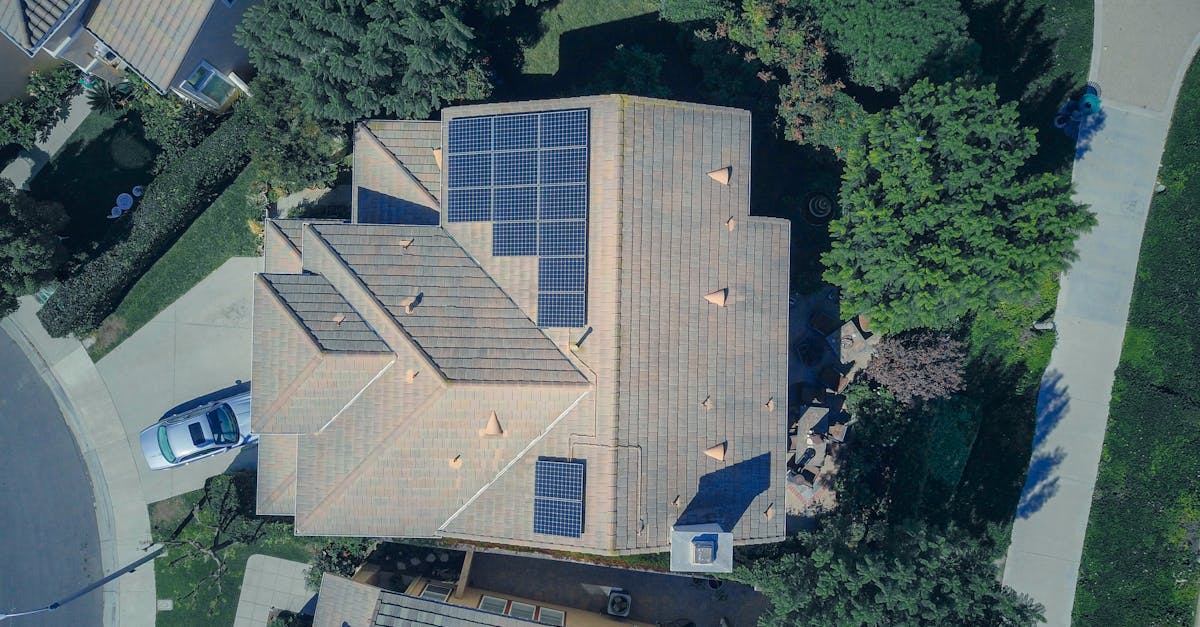
Imagine harnessing the sun’s power directly from your rooftop, creating clean electricity that lowers your monthly bills and reduces your environmental impact. The best home solar system does exactly that—it transforms abundant sunlight into usable energy for your home while offering independence from rising utility costs. With solar technology advancing faster than ever and installation costs decreasing significantly, now is the perfect time to explore which home solar system fits your needs.
Whether you’re motivated by cutting costs, going green, or future-proofing your household, the best home solar system can make a transformative difference. Let’s dive deeper into how these systems work, their benefits, and how to choose the right one for your home.
Understanding Home Solar Systems
Home solar systems transform sunlight into usable electricity, making them a valuable investment for any homeowner. These systems typically consist of solar panels, an inverter, and a battery storage unit, each playing a crucial role in harnessing solar energy effectively.
What Is a Home Solar System?
A home solar system refers to a setup installed on residential properties to capture sunlight and convert it into electricity. Solar panels, primarily made of silicon, absorb sunlight and generate direct current (DC) electricity. The inverter then converts this DC electricity into alternating current (AC) electricity suitable for household use.
A home solar system typically includes:
- Solar panels: Installed on rooftops or in yards, panels absorb sunlight using photovoltaic (PV) cells.
- Inverter: Converts direct current (DC) electricity from the panels into alternating current (AC), which your home uses.
- Battery storage (optional): Stores excess energy for later, so you can use solar power at night or during cloudy days.
- Monitoring systems: Allow homeowners to track how much energy their system generates and consumes in real time.
By generating your own electricity, a home solar system reduces reliance on fossil fuels, lowers your carbon footprint, and shields you from fluctuating energy prices. More importantly, it gives you greater control over your household energy future.
Many homeowners opt for battery storage to save excess energy generated during sunny days for use at night or during cloudy weather. This system not only provides power independence but also contributes to environmental conservation by reducing reliance on fossil fuels.
Benefits of Solar Energy for Homes
Choosing a home solar system isn’t just about saving money—it’s about creating long-term benefits for your lifestyle, finances, and the planet.
- Lower Energy Bills: By generating your own electricity, you cut monthly utility costs significantly. Some households even achieve “net zero” energy bills.
- Tax Incentives & Rebates: Federal tax credits (like the 30% Investment Tax Credit) and state rebates make solar more affordable.
- Energy Independence: A home solar system reduces dependence on the grid, giving you peace of mind during power outages.
- Property Value Boost: Studies show homes with solar systems sell faster and at higher prices.
- Environmental Impact: Each solar-powered home reduces greenhouse gas emissions, contributing to cleaner air and a healthier planet.
In short, investing in a home solar system pays you back in more ways than one—financially, personally, and environmentally.
Factors to Consider When Choosing a Solar System
Choosing the right solar system requires careful consideration of several critical factors.
Solar System Size and Capacity
Solar system size and capacity play essential roles in maximizing energy production. First, evaluate your energy consumption over the past year to determine how much power your home needs. Then, select a solar system with an appropriate capacity, measured in kilowatts (kW). A standard residential solar system typically ranges from 4 kW to 10 kW. You can calculate how many panels you’ll need based on their wattage; for instance, 300 W panels produce about 1 kW of power with three panels. Remember that local climate conditions influence solar energy generation, so take into account your area’s sunlight hours when assessing system capacity.
Solar Panel Types
Solar panel types make a significant impact on efficiency and cost. You’ll find three main types: monocrystalline, polycrystalline, and thin-film. Monocrystalline panels, known for their high efficiency, typically convert about 15-22% of sunlight into electricity and occupy less roof space. Polycrystalline panels, while slightly less efficient at 13-16%, offer a more budget-friendly option. Thin-film panels provide versatility due to their lightweight design, but their efficiency usually falls below 12%. Consider the advantages and downsides of each type to choose the best fit for your home and budget.
Top Features of the Best Home Solar Systems
Not all solar systems are created equal. The best home solar system should stand out with features that maximize long-term value.
High Efficiency Ratings
High efficiency ratings characterize the best home solar systems. With efficiency ratings between 15% to 22%, these systems convert more sunlight into usable energy. Solar panels like monocrystalline often rank highest due to their compact design and superior performance in low-light conditions. Investing in high-efficiency models allows you to generate more electricity from limited roof space.
Efficiency determines how much sunlight converts into usable energy. Panels with higher efficiency ratings (18–22%) are excellent for maximizing output in limited spaces. Brands like SunPower, LG, and REC consistently lead in efficiency.
A high-efficiency home solar system means:
- Fewer panels needed for the same energy output.
- Better performance in cloudy or low-light conditions.
- Long-term savings from maximum energy production.
Brands like SunPower and LG consistently rank among the top for their energy conversion rates, providing reliable power generation even on cloudy days. Opting for these high-efficiency panels maximizes energy output while minimizing space usage, making them an excellent choice for urban settings.
Durability and Warranty Options
Durability and warranty options are crucial features in the best home solar systems. High-quality solar panels are built to withstand harsh weather conditions, with most rated for 25 years or more. Reliable brands, such as Canadian Solar and Q CELLS, offer extensive warranties, sometimes covering performance guarantees for up to 25 years. These warranties provide peace of mind, ensuring your investment remains protected over time.
Additionally, look for solar systems that feature corrosion-resistant materials and robust frames to enhance durability. Selecting systems with strong warranty options shows confidence in their longevity and performance, giving you reassurance for years of sustainable energy generation.
Popular Brands and Models
Exploring the best home solar systems reveals a variety of brands and models that stand out for their features and performance.
Silfab
Silfab delivers some of the most efficient home solar systems available. Their panels boast an efficiency rating of up to 22%, making them ideal for homeowners with limited roof space. Brand A’s models feature durable materials designed to withstand harsh weather conditions, ensuring long-term performance. Many of their systems come with a 25-year warranty, providing peace of mind for your investment. Additionally, Brand A offers flexible financing options, making solar energy more accessible. Customers often praise their outstanding customer service, ensuring you receive support whenever needed. With options tailored for both small and large homes, Brand A’s systems effectively cater to diverse energy needs.
Solar4America
Solar4America is another top contender in the home solar market. Known for innovative technology, their solar panels achieve a remarkable efficiency of 21%, allowing you to optimize energy production. Brand B focuses on design, providing sleek, aesthetically pleasing panels that blend seamlessly with various roof styles. The durability of these panels is a strong selling point, with many designed to last beyond 25 years. Brand B also emphasizes smart technology integration, offering monitoring systems that let you track energy production in real-time. With versatile options suited for multiple budgets, Brand B ensures that homeowners find a solar solution that meets their distinct requirements. Their commitment to sustainability underscores a valuable investment in renewable energy.
Cost and Incentives
Cost plays a crucial role in deciding on a home solar system. Understanding initial investments and available financing options helps you make informed choices.
Home Solar System Initial Investment and Financing Options
Investing in a home solar system typically ranges from $15,000 to $30,000, depending on the system size and components. Various financing options exist, including cash purchase, solar loans, and lease agreements. Cash purchases provide maximum long-term savings and ownership benefits. Solar loans allow you to spread out payments, making solar energy more accessible. Leasing options let you enjoy lower monthly payments without upfront costs, but ownership remains with the solar provider. Each option has advantages, so evaluate personal financial situations before deciding.
Home Solar System Tax Credits and Rebates
Tax credits and rebates significantly reduce the overall cost of a home solar system. The Federal Solar Investment Tax Credit (ITC) provides a 30% tax credit for residential solar installations, diminishing by year’s end. Some states and local governments offer additional incentives, including rebates, performance-based incentives, and property tax exemptions, enhancing your savings. Research local programs to maximize your benefits. Combining incentives can lead to substantial reductions, making solar energy an attractive financial investment.
Investing in a home solar system not only lowers energy bills but also strengthens environmental sustainability.
Comparison Table: Types of Home Solar Systems
| Type | Efficiency | Cost Range | Best For | Pros | Cons |
|---|---|---|---|---|---|
| Monocrystalline | 18–22% | High ($15k–$30k) | Small roofs, max output | Highest efficiency, sleek design, long lifespan | Higher upfront cost |
| Polycrystalline | 13–16% | Moderate ($12k–$25k) | Larger roofs, budget buyers | Affordable, widely available | Less efficient, bulkier |
| Thin-Film | 10–12% | Low ($10k–$20k) | Large spaces, unique roofs | Lightweight, flexible | Shorter lifespan, lower efficiency |
| Solar + Battery Combo | Varies | High ($20k–$40k) | Energy independence | Stores excess power, backup during outages | Expensive upfront |
What’s New in Home Solar Systems in 2025
- Smart Solar Systems: AI-powered monitoring tools optimize energy usage and detect inefficiencies.
- Solar + EV Integration: More homeowners are pairing solar with electric vehicle charging stations.
- Community Solar Programs: Shared solar farms allow renters and condo owners to access clean energy.
- Solar Roofing Tiles: Sleek alternatives to panels that double as roof shingles, gaining popularity in upscale markets.
- Hybrid Systems: Combining solar with other renewables (like wind or geothermal) for maximum independence.
These innovations ensure the best home solar system of today will continue to evolve with tomorrow’s technology.
Conclusion
Choosing the right home solar system can transform your energy experience and save you money. With so many options available you’re empowered to make a choice that fits your lifestyle and budget. The benefits of solar energy are undeniable—from reducing your carbon footprint to enjoying energy independence.
Imagine the thrill of watching your energy bills drop while contributing to a greener planet. With advancements in technology and financing options you can take this exciting step towards sustainable living. So why wait? Dive into the world of solar energy and discover the perfect system for your home today!
Frequently Asked Questions
What are the benefits of installing a home solar system?
Installing a home solar system can significantly lower energy bills, reduce carbon emissions, and provide a sustainable energy source. It also offers tax incentives, increases property value, and enhances energy independence, making it a smart investment for environmentally conscious homeowners.
How do home solar systems work?
Home solar systems use solar panels to capture sunlight and convert it into electricity through inverters. Battery storage units may also be included to store excess energy for later use. This system allows homeowners to generate their own power, reducing reliance on the grid.
What should I consider when choosing a solar system?
When choosing a solar system, evaluate your energy consumption to select an appropriately sized system, typically between 4 kW to 10 kW. Consider the type of solar panels (monocrystalline, polycrystalline, or thin-film) based on efficiency, cost, and space availability.
What features are important in a home solar system?
Key features to look for in a home solar system include high efficiency ratings (15% to 22% conversion), durability with a lifespan of 25 years or more, and strong warranty options. These factors ensure long-term performance and reliability.
Which brands are recommended for home solar systems?
Recommended brands include Brand A, known for its high-efficiency panels at up to 22% and 25-year warranty, and Brand B, recognized for its innovative technology and 21% efficiency. Both offer options that suit various energy needs and budgets.
What are the costs associated with home solar systems?
The initial investment for home solar systems typically ranges from $15,000 to $30,000, depending on size and components. Financing options include cash purchases, solar loans, and lease agreements, which have distinct advantages for homeowners.
Are there any tax credits or incentives for solar energy?
Yes, homeowners can benefit from tax credits like the Federal Solar Investment Tax Credit (ITC), which offers a 30% tax credit on residential installations. Additionally, many states and local governments provide incentives that can further reduce the cost of solar systems.
