


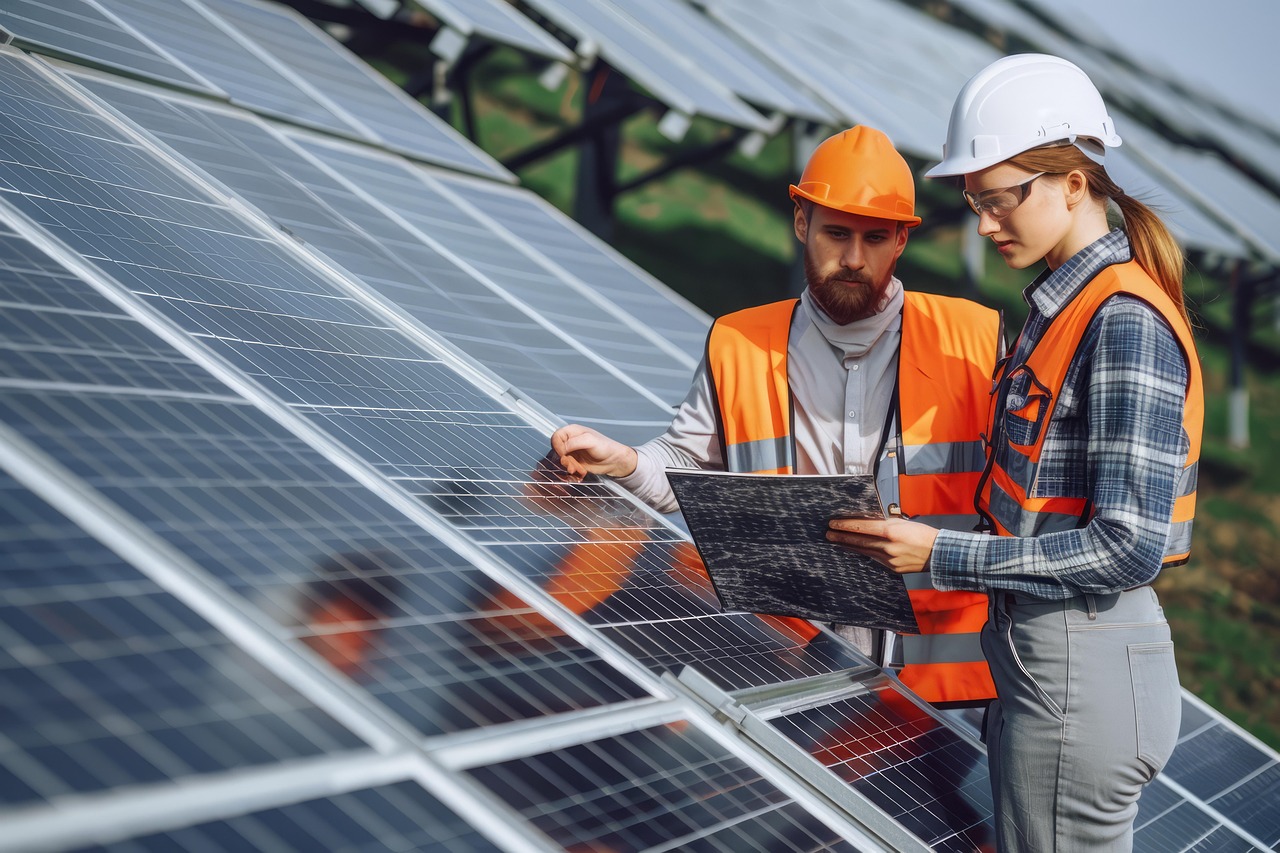
Thinking about going solar? You’re not alone. More homeowners are turning to solar power as a sustainable and cost-effective energy solution. Installing solar panels not only reduces your electricity bills but also lowers your carbon footprint, making a positive impact on the environment.
Solar Power Panel Installation
Installing solar power panels involves several critical steps. Follow these steps to complete the installation process effectively.
Step 1: Assess Your Location
Assess your roof’s orientation and pitch. Evaluate the amount of sunlight your roof receives during the day. Identify any potential shading from trees or nearby structures that could affect performance. Use a solar pathfinder if necessary.
Step 2: Choose the Right Equipment
Choose the appropriate solar panels based on your energy needs. Select inverters, batteries, and mounting systems that match your panel specifications. Research different brands and models. Compare warranties and efficiency ratings.
Step 3: Obtain Permits
Obtain necessary permits from your local government. Contact the local building department to learn about regulations and codes. Submit any required documentation. Schedule inspections as required.
Step 4: Install Mounting Equipment
Install the mounting brackets on your roof first. Use a level to ensure they are straight. Space brackets according to the size and type of your solar panels. Secure them with appropriate hardware.
Step 5: Connect the Solar Panels
Connect the solar panels to the mounting brackets. Use the provided clips for added security. Make sure connections are tight and secure. Avoid over-tightening to prevent damage.
Step 6: Install the Inverter
Position the inverter close to the main electrical panel. Follow the manufacturer’s instructions for mounting. Ensure proper ventilation around the unit to prevent overheating.
Step 7: Connect the Electrical Wiring
Connect the solar panel wiring to the inverter. Use appropriate connectors to ensure a secure fit. Connect the inverter to the electrical panel after ensuring all connections are safe.
Step 8: Test the System
Test the solar power system for functionality. Measure voltage and current output from the inverter. Check the performance monitoring system if included. Resolve any issues that may arise during testing.
Step 9: Final Inspection
Schedule a final inspection with local authorities. Ensure compliance with all regulations. Follow up on any adjustments that the inspector may require.
Step 10: Monitor Performance
Monitor system performance regularly. Use available monitoring tools or apps. Track energy production to ensure efficiency.
Completing these steps provides you with a functional solar power system that generates clean energy for your home.
Planning Your Installation
Effective planning ensures a successful solar panel installation. Address specific factors to maximize energy efficiency and minimize costs.
Assessing Your Energy Needs
Assess your household’s energy consumption to determine the appropriate solar power capacity. Review past electricity bills for usage data over several months. Calculate your average monthly energy use in kilowatt-hours (kWh). Identify peak usage times and seasonal variations, as these inform how much energy your solar system should generate. Consider any upcoming changes such as new appliances or electric vehicles that could increase your demand.
Evaluate the differences between options like grid-tied and off-grid systems. A grid-tied system connects to the utility grid, allowing for energy use from both sources, whereas an off-grid system runs completely on solar energy. Each option influences budget, energy independence, and maintenance needs. Define your energy goals clearly and establish your budget for installation and maintenance.
Choosing the Right Solar Panels
Select solar panels matching your energy needs and budget. Research the types available, including monocrystalline, polycrystalline, and thin-film panels. Monocrystalline panels offer high efficiency and durability yet come at a higher price. Polycrystalline panels are more affordable and slightly less efficient. Thin-film panels are lightweight and flexible, ideal for unique surfaces but less efficient overall.
Study the warranties provided, typically lasting from 25 to 30 years. A longer warranty indicates greater manufacturer confidence in panel durability and performance. Review ratings and certifications for the panels to ensure quality and efficiency. Check for energy efficiency ratings, which demonstrate how effectively the panel converts sunlight into electricity. Compare options and seek professional advice to select the best fit for your situation.
Understanding Local Regulations and Incentives
Familiarize yourself with local regulations governing solar panel installations. Regulations can vary by city or state, affecting zoning laws and permitting processes. Some areas may require specific configurations for roof-mounted systems, while others could impose restrictions on ground-mounted systems. Visit local government websites to gather necessary information.
Explore incentives offered by federal, state, and local governments to support renewable energy initiatives. Investigate tax credits, rebates, or grants available to homeowners installing solar power systems. Document all qualifying expenses to claim applicable incentives, which can significantly reduce the overall installation cost. Joining local solar advocacy groups provides valuable updates on new incentives or changes to existing regulations, ensuring that you remain informed throughout your installation process.
Materials and Tools
Gathering the right materials and tools is vital for an effective solar panel installation. This section outlines the necessary components and equipment to streamline the process.
Necessary Materials
- Solar Panels: Choose from monocrystalline, polycrystalline, or thin-film varieties based on efficiency needs and roof space.
- Inverter: Select a type that fits the system setup; string inverters or microinverters convert solar energy into usable electricity.
- Mounting Hardware: Obtain racks, brackets, and screws to secure the panels to the roof or ground.
- Wiring: Acquire appropriate gauge wires that meet the voltage and current requirements of your system.
- Disconnect Switch: Locate an AC and DC disconnect switch for safety, allowing easy isolation of the solar panel system when necessary.
- Batteries (if off-grid): Consider deep cycle batteries to store energy generated for later use.
- Permits and Documentation: Prepare necessary forms for local authorities to ensure compliance with installation regulations.
Essential Tools
- Drill: Use a standard drill for making holes in the mounting surface and securing components.
- Wrenches: Keep adjustable and socket wrenches on hand to tighten bolts effectively.
- Level: Ensure the mounting hardware is straight and properly aligned during installation.
- Measuring Tape: Use to measure distances accurately for panel placement and wiring lengths.
- Wire Strippers: Acquire wire strippers to prepare wiring for connections.
- Safety Gear: Use gloves, goggles, and a hard hat to protect yourself during the installation process.
- Multimeter: Utilize a multimeter to check the electrical output and ensure the system operates correctly.
Installation Process
The installation process for solar power panels involves several crucial steps to ensure an efficient and effective setup. Focus on each part to achieve optimal results.
Preparing Your Roof
Preparing your roof starts with inspecting its structure. Check for any damage such as leaks or rot, ensuring the roof can support additional weight from the solar panels. Clean the surface of any debris, such as leaves and dirt, to create an ideal environment for installation.
Measure the available space. Determine the area where you plan to install the solar panels. Ensure there is adequate sunlight exposure by identifying any obstructions such as trees or nearby buildings.
Consult with a professional if unsure about your roof’s condition or pitch. Different roofing types require unique approaches for installation. Flat roofs may utilize different mounting techniques compared to sloped roofs.
Confirm that the installation aligns with local building codes and regulations. Some regions require specific permits before proceeding. Verify your local requirements to avoid potential fines or delays.
Finally, consider scheduling the installation during favorable weather conditions. Mild and dry weather allows for better working conditions, ensuring a smoother installation process.
Mounting the Solar Panels
Mounting solar panels requires precision and attention to detail. Proper installation of mounting brackets and secure attachment of the solar panels ensures durability and optimal performance.
Installing Mounting Brackets
Begin by determining the location for the mounting brackets. Use a measuring tape to locate the rafters or beams in the roof structure. Mark these spots with a pencil for accurate placement. Select appropriate mounting brackets based on your solar panel type.
Lay out the mounting brackets on the marked locations. Align the brackets horizontally and vertically for even spacing. Use a level to ensure proper alignment. Once positioned, pre-drill holes into the roof for the mounting hardware. Position the brackets on the holes and insert lag bolts. Tighten each bolt securely to guarantee stability.
Apply a watertight sealant around each bracket to prevent leaks. Check the manufacturer’s instructions for specific sealing products. Ensure that the brackets support the weight of the solar panels effectively. Verify the alignment before moving on to the next step.
Securing Solar Panels
After installing the mounting brackets, position the solar panels on top. Lift the panels carefully and align them with the brackets. Use a level to confirm they sit evenly. Start securing the panels by placing the included clamps over the edges of each solar panel.
Fasten the clamps to the mounting brackets using a wrench. Tighten each clamp firmly but avoid over-tightening to prevent damage. Repeat this process for all solar panels, making sure they are stable and secure.
Once the panels are attached, check for any movement or looseness. Adjust as necessary to maintain stability. Inspect each panel for alignment and proper positioning. This step ensures long-lasting performance and efficiency of your solar power system.
Connecting the Electrical System
Connecting the electrical system is a critical part of solar panel installation. This process involves wiring the solar panels to the inverter and ensuring that all connections are safe and meet local regulations.
Wiring Your Panels
Wiring your solar panels requires careful attention to detail. First, gather the necessary materials: solar panel cables, connectors, and tools such as a wire stripper and crimping tool. Second, ensure safety by turning off any connected power sources. Third, connect the solar panels in series or parallel as per system requirements. Use series connections for higher voltage and parallel for more current.
Next, attach connectors to the solar panel terminals. Make sure the positive terminal connects to the positive lead and the negative terminal connects to the negative lead. After making the connections, secure the wiring to prevent movement. Use zip ties or cable clips to keep cables organized and out of the way. Finally, double-check that all connections are secure and that the wiring is properly insulated to avoid shorts.
Installing the Inverter
Installing the inverter is essential for converting solar energy into usable electricity. First, choose a suitable location for the inverter, preferably near the solar panels and in a shaded area to avoid overheating. Next, mount the inverter onto a wall using appropriate brackets and screws. Ensure the inverter is level and securely attached.
Next, connect the inverter to the solar panel array using solar cables. Refer to the inverter’s manual for specific connection points. After connecting the panels, link the inverter to the electrical panel of your home. Use appropriate AC wiring to connect to the breaker box, ensuring the inverter’s output power matches your home’s voltage.
Lastly, turn on the inverter and check for any indicator lights to ensure it operates correctly. This verification confirms that the solar panels supply energy to your home efficiently. Always adhere to local regulations and safety standards during installation.
Finalizing the Installation
Finalizing the installation of solar power panels ensures the system operates efficiently and adheres to local regulations. This stage involves thorough testing and obtaining necessary approvals.
Testing the System
Testing the system confirms everything functions correctly after installation. Follow these steps:
- Check Connections: Inspect all electrical connections between the solar panels and the inverter. Confirm tightness and secure connections.
- Turn On the System: Activate the inverter and monitor the display for indications of proper operation. Look for error messages or alerts.
- Measure Output: Use a multimeter to measure the voltage and current output from the solar panels. Compare these values against manufacturer specifications.
- Test Consumption: Check the energy consumption at your main electrical panel. Use an energy meter to ensure the flow aligns with your solar output.
- Monitor Performance: For a week after installation, track the system’s performance. Evaluate daily energy production and confirm it meets estimates based on sunlight exposure.
Successful testing verifies operational efficiency and sets the stage for the next steps in the installation process.
Securing Permits and Inspections
Securing permits and inspections is vital for compliance and proper functioning. Follow these steps:
- Gather Required Documentation: Collect all documentation related to the installation, including equipment specifications, system layout, and installation permits.
- Submit for Permits: Present your documentation to local authorities. Ensure that your project aligns with building codes and zoning laws.
- Schedule Inspections: Once permits are obtained, schedule an inspection with your local building department. Inspections verify compliance with regulations and standards.
- Prepare for Inspection: Ensure your installation is accessible and all components are in place. The inspector will evaluate everything, including panel placement and wiring.
- Resolve Issues: If the inspector identifies any issues, address them promptly. Resubmit for inspection as required until compliance is achieved.
Following these steps fully completes the installation and ensures your solar energy system operates safely and effectively.
Maintenance Tips
Maintaining solar power panels ensures long-term efficiency and performance. Regular maintenance involves cleaning the panels and monitoring system performance.
Regular Cleaning and Inspections
Regular cleaning of solar panels keeps them functioning optimally. Dust, dirt, and debris can accumulate on the surface, blocking sunlight. Cleaning at least twice a year ensures maximum sunlight absorption. Use a soft cloth or sponge with mild soap and water for this task. Avoid abrasive materials that could damage the panel surface. Inspect panels for any signs of damage or wear during cleaning. Look for cracks, loose connections, or discolored spots, which could indicate issues. If you find any problems, report them to a professional installer for assessment. Additionally, check for shading from nearby trees or buildings that may obstruct sunlight. Trim back foliage or relocate obstructions as necessary to maintain efficiency.
Monitoring System Performance
Monitoring system performance is vital for identifying issues early. Use a solar monitoring system to track energy production in real time. Most inverters include monitoring features, displaying energy output and system health. Establish a baseline energy output based on seasonal averages for your area. Regularly check performance against these averages. A significant drop in production may signal a problem, prompting further investigation. Consider setting up alerts for unusual performance patterns. Periodic professional inspections can also help maintain system efficiency and safety. Technicians can evaluate the entire system, checking connections, wiring, and components for optimal functioning. Keeping a maintenance log can track issues or performance changes over time.
Conclusion
Embracing solar power is a smart choice for homeowners looking to reduce energy costs and minimize their environmental impact. By carefully planning your installation and selecting the right components, you can create a system that meets your energy needs effectively.
Remember to stay informed about local regulations and available incentives to maximize your investment. Regular maintenance and monitoring will ensure your solar panels perform optimally over time.
With the right approach, you can enjoy the benefits of clean energy while contributing to a sustainable future. Your journey toward energy independence starts with solar power installation.
Frequently Asked Questions
What are the benefits of installing solar panels at home?
Installing solar panels can significantly reduce electricity bills, lower your carbon footprint, and increase your home’s value. It provides a sustainable energy source that benefits the environment and enhances energy independence.
How do I assess my home’s suitability for solar power?
To assess suitability, start by reviewing past electricity bills to determine energy consumption patterns. Check sunlight exposure on your roof, ensuring minimal shading from trees or structures, and consider the pitch and condition of your roof.
What types of solar panels are available?
The three main types of solar panels are monocrystalline, polycrystalline, and thin-film. Each has its efficiency ratings, warranties, and installation requirements, allowing homeowners to choose based on their energy needs and budget.
What is the installation process for solar panels?
The installation process involves assessing your site, choosing appropriate equipment, obtaining permits, mounting brackets, connecting electrical components, and testing the system. Proper planning and adherence to local codes are crucial for a successful installation.
How do I maintain my solar panels?
Regular maintenance includes cleaning the panels every six months and monitoring performance. Inspect for damage or shading and consider using a solar monitoring system for real-time tracking of energy production. Periodic professional inspections are also recommended.
What should I do if my solar power system isn’t performing well?
If energy production is low, check for shading, panel angles, and inverter status. Inspect wiring connections and insulation for damage. For complex issues, consult a professional to ensure your system is functioning efficiently.
Are there any financial incentives for installing solar panels?
Yes, many states offer tax credits, rebates, and other financial incentives to reduce installation costs. Check with local authorities to understand available programs and ensure compliance with zoning laws.
