


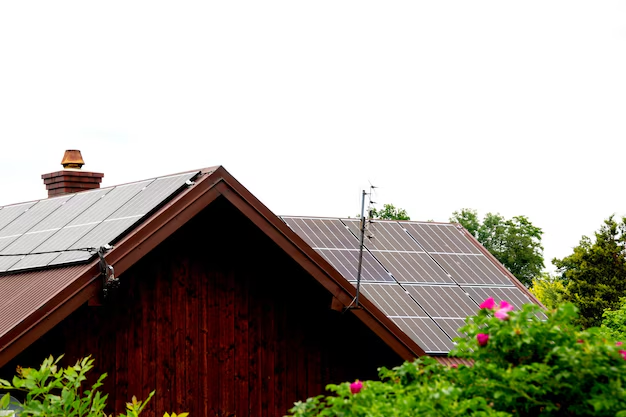
Energy costs are rising at a pace that many households can no longer ignore, and climate change has become one of the defining challenges of our generation. In 2025, more homeowners than ever are searching for ways to cut expenses while making choices that are environmentally responsible. This is where residential roof solar panels enter the picture. By turning unused roof space into a renewable energy source, these systems allow families to reduce their dependence on the grid, save thousands of dollars over time, and make a measurable contribution to sustainability.
Unlike temporary cost-cutting measures, investing in residential roof solar panels offers long-term benefits that compound with each year. The technology has advanced significantly over the last decade, making panels more efficient, durable, and affordable. Homeowners are no longer asking if solar is worth it—they are asking how quickly they can start. With attractive incentives, strong return on investment (ROI), and the satisfaction of producing clean energy at home, residential roof solar panels have become one of the smartest financial and environmental decisions in today’s housing market.
This guide will cover everything you need to know in 2025—from costs and installation to maintenance and long-term savings—so you can decide whether solar is the right choice for your home.
What Are Residential Roof Solar Panels?
Residential roof solar panels are photovoltaic (PV) systems designed to convert sunlight into usable electricity for your home. Installed directly on rooftops, these systems absorb solar energy through semiconductor materials, typically silicon, and transform it into direct current (DC). An inverter then converts DC into alternating current (AC), which powers your lights, appliances, and devices. Excess energy can either be stored in a battery system or fed back into the grid, depending on local regulations and net metering policies.
There are three main types of residential solar panels available in 2025:
- Monocrystalline panels – Known for their sleek black look and high efficiency (up to 22%). Ideal for homes with limited roof space but higher energy needs.
- Polycrystalline panels – Slightly less efficient (15–18%) but more affordable, with a bluish appearance. Best for larger roofs where space is not a concern.
- Thin-film panels – Lightweight and flexible, though less efficient (10–12%). Useful for unconventional roofs or structures unable to support heavier systems.
Roof suitability is an important consideration. Factors such as orientation (south-facing roofs in the U.S. receive maximum sunlight), angle, shading from trees or buildings, and overall roof condition affect how well panels will perform. Before installation, solar companies conduct a detailed assessment to ensure your roof can handle both the weight and the energy expectations of a solar system.
Why Homeowners Prefer Roof-Mounted Systems
When it comes to solar power, homeowners often face a choice between roof-mounted and ground-mounted systems. While ground-mounted panels can sometimes generate more energy due to adjustable tilt angles, roof-mounted systems remain the most popular choice for residential properties.
The main reason is space efficiency. For many homeowners, roofs represent unused real estate that can be optimized without sacrificing yard space. Unlike ground-mounted systems, roof panels don’t interfere with landscaping, recreational areas, or garden space. They also provide a sleek, modern aesthetic that blends into the home’s structure.
Roof-mounted systems are also generally more affordable to install since they require less land preparation and fewer structural supports. For homes in urban or suburban areas where land is limited, this is often the only practical option. Additionally, rooftop installations tend to receive more direct sunlight since they are elevated and less likely to be shaded by nearby obstacles.
That said, roof suitability remains essential. Homes with older roofs or heavy shading may not achieve optimal results. In such cases, a professional installer may suggest ground-mounted systems or alternative placements. Still, for most households in 2025, roof-mounted solar panels represent the perfect balance of efficiency, affordability, and visual appeal.
Benefits of Installing Residential Roof Solar Panels
The benefits of installing residential roof solar panels extend far beyond the environmental narrative. Homeowners choose solar because it saves money, increases home value, and provides energy independence in ways traditional utilities cannot match. Let’s explore the key advantages:
- Reduced Electricity Bills – A properly sized solar panel system can offset 70–100% of your monthly energy costs. In states with high utility rates, homeowners often save tens of thousands over the lifetime of the panels.
- Tax Incentives and Rebates – In 2025, the U.S. federal solar tax credit still offers homeowners up to 30% back on installation costs. Many states and utility companies add additional rebates, lowering the upfront burden.
- Environmental Benefits – Solar energy is clean, renewable, and reduces reliance on fossil fuels. An average residential solar system offsets more than 100,000 pounds of carbon dioxide over 20 years.
- Energy Independence – With solar, homeowners are less affected by rising utility rates. When paired with battery storage, systems can even provide backup power during outages.
Together, these benefits create a compelling case for homeowners who want financial security, lower bills, and a future-ready energy solution.
How Residential Roof Solar Panels Add Home Value
One often-overlooked advantage of solar panels is how much they increase property value. According to multiple studies, including data from the U.S. Department of Energy’s Lawrence Berkeley National Laboratory, homes with solar systems sell faster and at higher prices than those without. On average, a residential solar system can boost home value by 4–6%, depending on the market.
This increase is driven by buyer demand. In today’s housing market, energy efficiency is not just a nice-to-have feature; it is a priority. Homebuyers recognize the long-term savings that come with solar-equipped homes, making them more willing to pay a premium. A home with solar panels essentially guarantees lower utility costs for years, which is highly attractive for families looking at long-term ownership.
Moreover, the growing emphasis on sustainability means eco-conscious buyers are prioritizing solar-ready homes. In competitive markets, having residential roof solar panels can set a property apart, helping sellers command higher offers. For homeowners considering resale within the next decade, investing in solar is not just an energy decision—it’s a strategic financial move.
Cost of Residential Roof Solar Panels in 2025
One of the biggest questions homeowners ask is: How much do residential roof solar panels cost in 2025? Thanks to technological advancements and wider adoption, prices have dropped significantly over the past decade, making solar more accessible than ever.
In 2025, the average cost of installing a residential solar system in the U.S. ranges from $15,000 to $25,000 after applying the federal solar tax credit. System size, brand, efficiency, and installation complexity all play roles in the final cost. Larger systems, premium high-efficiency panels, and roofs requiring significant preparation (such as structural reinforcements) will increase the price.
Financing options are abundant:
- Cash Purchase – Highest upfront cost but best long-term savings.
- Solar Loans – Spread payments over several years, with homeowners still owning the system.
- Leasing or Power Purchase Agreements (PPAs) – Lower or no upfront cost, but homeowners may save less over the long term since they don’t own the system outright.
Cost Comparison Table:
| Financing Option | Upfront Cost | Monthly Payment | Ownership | Long-Term Savings | Best For |
| Cash Purchase | $15k–$25k | $0 | Yes | Highest | Homeowners with savings |
| Solar Loan | $0–$2k | $100–$250 | Yes | High | Middle-income families |
| Lease/PPA | $0 | $50–$150 | No | Moderate | Renters or budget-conscious |
By 2025, with incentives and financing programs widely available, solar has become a viable option for nearly every type of homeowner.
Installation Process for Residential Roof Solar Panels
Installing residential roof solar panels in 2025 is a streamlined process, but it still requires careful planning and coordination. Unlike smaller DIY projects, solar installation involves permits, electrical work, and compliance with local building codes, which is why hiring a certified installer is essential.
Here’s a step-by-step breakdown of the typical installation process:
- Consultation and Site Assessment – The installer evaluates your roof’s orientation, shading, and condition. They also review your energy bills to size the system correctly.
- System Design and Proposal – A customized plan is created, showing panel layout, expected energy output, and estimated savings.
- Permits and Paperwork – Installers handle permits, utility approvals, and rebate applications. This stage often takes longer than the actual installation.
- Roof Preparation – If your roof needs reinforcement or replacement, it’s done before panels are added.
- Mounting and Wiring – Racks are secured to the roof, panels are installed, and wiring is connected to the inverter and your home’s electrical system.
- Inspection and Utility Connection – Local authorities and utility companies inspect the system to ensure safety. Once approved, the system is connected to the grid.
- System Activation – After the final sign-off, your panels start generating electricity.
From consultation to activation, the entire process may take 4–8 weeks, depending on permitting timelines. The physical installation itself is usually completed in just 1–3 days, making the waiting period more about paperwork than construction.
How Long Does Installation Take?
While the physical setup of solar panels is fast, the overall installation timeline depends on external factors like permits and inspections. On average, here’s what homeowners can expect:
- Site Assessment & Proposal: 1–2 weeks
- Permits & Approvals: 2–6 weeks
- Installation: 1–3 days
- Inspection & Grid Connection: 1–3 weeks
Factors that can delay the process include utility backlogs, roof repairs, or unusually complex system designs. Homeowners should prepare for the process to take anywhere from one month to three months total, though most projects lean toward the shorter end.
The good news is that once panels are installed and activated, they begin saving money immediately. Considering panels last 25+ years, a few weeks of paperwork is a small trade-off for decades of reduced energy costs.
Choosing the Best Residential Roof Solar Panels for Your Home
Not all solar panels are created equal. Choosing the right system for your home depends on efficiency, durability, warranty, and budget. In 2025, homeowners benefit from advanced solar technologies and reputable brands that compete to offer maximum performance.
Key Factors to Consider:
- Efficiency Ratings – Higher efficiency panels generate more electricity in the same space. If you have limited roof area, opt for panels with 20–22% efficiency.
- Durability – Panels should withstand extreme weather such as hail, snow, or high winds. Look for certifications like IEC 61215 and IEC 61730.
- Warranty – Most panels in 2025 come with a 25–30 year performance warranty and a 10–15 year product warranty.
- Brand Reputation – Leading companies like SunPower, Tesla, LG, Canadian Solar, and Q CELLS dominate the market with reliable products.
Popular Solar Panel Brands in 2025:
| Brand | Efficiency | Warranty | Unique Feature | Best For |
| SunPower | 22% | 25–30 yrs | Industry-leading efficiency | Small roofs, max output |
| Tesla Solar Roof | 19–20% | 25 yrs | Integrated solar shingles | Homes needing aesthetics |
| Canadian Solar | 18–20% | 25 yrs | Affordable, reliable panels | Budget-conscious buyers |
| LG Solar | 21% | 25 yrs | Premium durability | Harsh climates |
| Q CELLS | 19% | 25 yrs | Strong mid-range choice | Average households |
By evaluating efficiency, warranty, and cost, homeowners can find panels that balance performance and affordability for long-term savings.
Residential Roof Solar Panels vs Ground-Mounted Panels
Both roof-mounted and ground-mounted systems have their advantages. The right choice depends on your property type and energy needs.
| Feature | Roof-Mounted Panels | Ground-Mounted Panels |
| Space Requirement | Uses existing roof space | Requires open land |
| Cost | Lower installation cost | Higher due to land prep |
| Aesthetics | Blends with home | May stand out visually |
| Efficiency | Fixed tilt, depends on roof angle | Adjustable tilt, max sunlight |
| Maintenance | Harder to access | Easier to clean/repair |
| Suitability | Urban & suburban homes | Rural areas with land |
For most residential homes, roof-mounted panels remain the preferred choice. However, if you own a rural property with plenty of land and minimal shading, ground-mounted systems may deliver slightly better performance.
Maintenance and Lifespan of Residential Roof Solar Panels
One of the biggest advantages of solar panels is their low maintenance requirements. Once installed, they quietly produce energy with little attention needed. However, a few simple practices can extend their efficiency and lifespan.
- Cleaning – Panels should be cleaned 1–2 times per year to remove dust, pollen, bird droppings, and debris that reduce efficiency. In rainy climates, natural rainfall often does most of the work.
- Inspection – Have a professional check connections, inverters, and mounting equipment every 2–3 years.
- Monitoring – Modern systems come with monitoring apps that track performance in real-time, alerting homeowners to any issues.
Solar panels generally last 25–30 years, though efficiency gradually decreases over time. After 25 years, most panels still produce 70–80% of their original output. Inverters, however, may need replacement every 10–15 years.
By following basic upkeep and addressing small issues promptly, homeowners can enjoy decades of reliable, clean energy.
Common Issues and Troubleshooting
While solar panels are highly reliable, some issues can arise:
- Shading: Trees, new buildings, or debris can block sunlight, reducing energy production. Trimming trees or relocating obstructions helps restore efficiency.
- Inverter Problems: Since inverters convert DC to AC, they are often the most common point of failure. Regular monitoring ensures timely replacement.
- Wiring Issues: Loose or corroded wiring can disrupt power flow. Professional maintenance checks prevent long-term damage.
- Roof Leaks: Poor installation may occasionally lead to leaks, though certified installers use flashing and seals to prevent this.
Most issues are minor and easily resolved with professional service. Proactive monitoring and maintenance ensure your system continues to operate at peak efficiency.
Future of Residential Roof Solar Panels in Renewable Energy
The future of solar energy is brighter than ever. In 2025, research and innovation are pushing residential roof solar panels to new heights in efficiency and affordability.
- Bifacial Panels – These capture sunlight on both sides, increasing total energy output by up to 15%.
- Perovskite Solar Cells – A breakthrough technology that promises higher efficiency at lower costs. Although still emerging, they could soon revolutionize residential solar.
- Battery Storage Integration – Pairing panels with home batteries like the Tesla Powerwall allows homeowners to store energy for nighttime or outages.
- Smart Grids – Future systems will integrate with smart grids, allowing two-way energy sharing between homes and communities.
- Solar Shingles – Instead of bulky panels, shingles blend seamlessly into roofs, offering an aesthetic solution for style-conscious homeowners.
As governments push for carbon neutrality and utilities increase rates, solar adoption will accelerate. Within the next decade, residential roof solar panels are expected to be as common as home Wi-Fi—a standard, not a luxury.
Conclusion
In 2025, residential roof solar panels are no longer just an eco-friendly option—they are a smart financial investment. They reduce energy bills, increase property value, and offer homeowners greater control over their energy future. With tax incentives, financing options, and falling costs, going solar has never been more accessible.
Beyond the savings, homeowners are making a difference for the planet by reducing reliance on fossil fuels and supporting a clean energy future. With panels lasting up to 30 years, the benefits extend far beyond the initial investment.
If you’re considering solar, now is the time to act. Schedule a consultation with a certified local solar installer to assess your home’s potential. By 2025 standards, every day you delay is another day of higher utility bills. With residential roof solar panels, the sooner you start, the sooner you save—both for your wallet and for the planet.
Frequently Asked Questions (FAQ)
1. How much do residential roof solar panels cost in 2025?
On average, homeowners spend $15,000–$25,000 after incentives, depending on system size and roof condition.
2. How long do residential roof solar panels last?
Most panels last 25–30 years with warranties guaranteeing performance for at least two decades.
3. Do residential roof solar panels work in cloudy weather?
Yes, though efficiency drops. Panels still capture diffuse sunlight and can produce 10–25% of their usual output on cloudy days.
4. Can I install residential roof solar panels on an old roof?
It’s not recommended. Roofs should be in good condition since panels last decades. Many installers suggest replacing roofs that are 10–15 years old before solar installation.
5. How much money can I save with residential roof solar panels?
Savings vary by location and system size, but most homeowners save $20,000–$60,000 over 25 years.
