


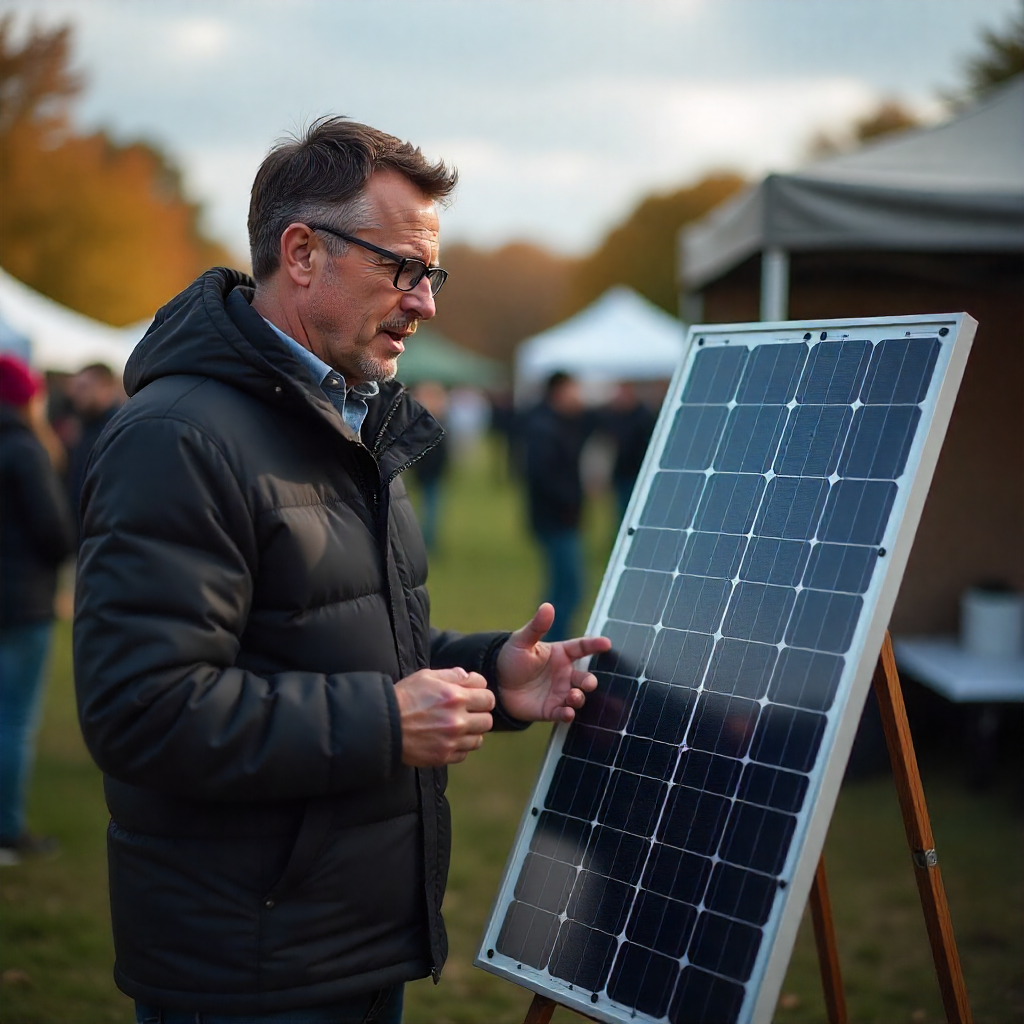
Solar energy has gone from being an innovative alternative to becoming one of the most practical and affordable solutions for everyday households and RV owners in 2025. With rising energy costs, growing climate concerns, and the shift toward sustainable living, more people are looking for ways to take control of their power needs. Enter the solar panel kit—a complete package that makes setting up renewable energy systems simpler, more affordable, and far more accessible to the average homeowner or traveler.
The popularity of do it yourself (DIY) solar panel kits and portable solar kits has skyrocketed this year. Homeowners are drawn to the promise of reducing energy bills while adding value to their property, and RV enthusiasts love the independence of powering their adventures without relying on traditional hookups. Affordable pricing, government incentives, and technological improvements are making solar kits more efficient and user-friendly than ever before.
This guide explores everything you need to know about solar panel kits in 2025, whether you’re setting one up on your roof or taking one on the road. From understanding the basics and comparing kit types, to choosing the right one for your needs and even installing it step by step, this article will help you make informed, confident decisions about your renewable energy journey.
What is a Solar Panel Kit and How Does It Work?
At its core, a solar panel kit is a bundled package containing everything you need to harness solar power. Instead of purchasing individual components separately and worrying about compatibility, a kit simplifies the process by providing the essentials in one box.
Most solar panel kits include:
- Solar Panels – capture sunlight and convert it into electricity.
- Inverter – changes direct current (DC) from the panels into alternating current (AC) for household use.
- Charge Controller – regulates the flow of electricity to prevent battery overcharging.
- Batteries – optional but common, used to store energy for later use.
- Wiring and Connectors – necessary to link components together safely.
It’s important to distinguish between a solar panel kit and a solar installation kit. A solar panel kit is designed for DIY use—perfect for RVs, cabins, or smaller residential projects. A solar installation kit, on the other hand, is tailored for professional integration into a home’s electrical system, often involving licensed electricians and large-scale connections.
In short, solar panel kits bring solar energy down to earth for the everyday user, offering flexibility, portability, and a level of simplicity that encourages more people to join the renewable energy movement.
Types of Solar Panel Kits Available in 2025
Home Solar System Kit
For homeowners, a home solar system kit provides a structured way to reduce energy bills while adding long-term value to the property. These kits are increasingly popular because they’re designed to integrate with the needs of modern homes—whether for partial power offset or full-grid independence.
A home kit often comes with multiple panels, a robust inverter, and sometimes battery storage. One of the reasons more solar panels homes are going DIY in 2025 is the cost savings from avoiding labor fees and the empowerment of controlling their own energy setup. A solar kit for home also qualifies for government rebates and tax credits, making it more financially appealing.
The biggest advantage of a home solar kit is scalability. You can start small and expand later, depending on your energy consumption and budget. With newer, plug-and-play designs, setup has become much less intimidating, encouraging homeowners to try DIY rather than pay for expensive installations.
RV Solar Panel Kit for Travel Freedom
The RV solar panel kit has become a must-have for anyone who loves road trips, camping, or off-grid living. Traditional camping often relies on noisy generators or limited hookups, but an RV solar panel kit allows travelers to enjoy quiet, renewable energy wherever they go.
Portable RV kits are compact and lightweight, making them ideal for short trips or smaller appliances. Fixed solar panel kits, however, are mounted directly onto the RV roof and can provide more reliable long-term energy. Many RV owners use a combination of both for maximum flexibility.
In 2025, efficiency improvements mean that even a modest RV solar kit can power essential appliances like lights, refrigerators, fans, and charging stations. For digital nomads, this independence is invaluable. No matter where you park—whether it’s a remote desert, forest campground, or even a parking lot—you have reliable energy without depending on the grid.
RV solar kits are also eco-friendly, reducing the reliance on fossil fuels and allowing travelers to explore sustainably. For anyone who values freedom, mobility, and clean energy, these kits are worth considering.
DIY Solar System Kits
The do it yourself (DIY) solar panel kit has exploded in popularity as more people embrace hands-on energy solutions. These kits are specifically designed to be beginner-friendly, giving everyday homeowners and hobbyists the tools to set up their own solar systems.
DIY solar kits usually include user manuals, pre-configured components, and sometimes even customer support lines to assist with installation. The main appeal lies in affordability—without professional labor costs, you save thousands of dollars.
However, there are trade-offs. DIY kits may have limited scalability, and larger homes with higher energy demands might eventually require professional upgrades. Additionally, installation does require some technical know-how and attention to safety.
Still, for many households and small setups, DIY kits offer the perfect balance of affordability and independence. They empower homeowners to take charge of their energy future while learning valuable skills along the way.
Solar Panel Kit vs. Solar Installation Kit – Key Differences
| Feature | Solar Panel Kit | Solar Installation Kit |
| Best for | DIY homeowners & RVs | Full home integration |
| Components | Panels, inverters, wiring | Panels + pro-installation tools |
| Cost | Budget-friendly | Higher, includes labor |
| Flexibility | Portable and customizable | Fixed installation |
| Scalability | Great for small to medium projects | Best for large-scale residential use |
This comparison highlights why solar panel kits are perfect for DIYers and mobile users, while installation kits are better for homeowners seeking full integration with the electrical grid.
Why a Solar Kit for Home is a Smart Investment
Installing a solar kit for home is more than just an eco-conscious choice—it’s a financial strategy. First and foremost, homeowners benefit from reduced electricity bills. Once your panels are up, you’re generating free power, which can dramatically lower or even eliminate monthly utility costs.
Additionally, governments in 2025 continue to offer rebates and tax credits for solar adoption. These incentives reduce upfront costs and accelerate the return on investment. In many cases, homeowners can recoup their initial expenses within 5–7 years, after which the energy savings are essentially profit.
Another major advantage is the boost in property value. Homes with solar systems are more attractive to buyers, often selling faster and at higher prices. With buyers becoming more environmentally conscious, solar panels homes are seen as modern, future-ready properties.
Lastly, solar kits offer a sense of energy independence. As grid prices fluctuate and outages become more common due to extreme weather, having your own renewable energy source means you’re less vulnerable. For many homeowners, that peace of mind is just as valuable as the cost savings.
How to Choose the Right Solar System Kit for Your Needs
Factors to Consider Before Buying
Before buying a solar system kit, it’s important to assess your unique needs. Here are some key factors:
- Wattage requirements – Estimate your daily energy use. A small RV might need only 400–600W, while a three-bedroom home could require 5kW or more.
- Roof or RV size – Available space determines how many panels you can install.
- Battery storage – Decide if you want to store power for nights and cloudy days. Not all kits include batteries, so factor this in.
- Climate and location – Solar efficiency varies depending on sunlight exposure. A kit that works in Arizona may not perform as well in Seattle without upgrades.
Understanding these elements ensures you don’t overspend on an oversized system or underpower your home by choosing a kit too small.
Comparing DIY Solar System Kits vs. Professional Solar Installation Kit
When weighing a DIY kit against a professional installation, consider:
- Budget – DIY saves money upfront; professional installs cost more but ensure long-term reliability.
- Ease of setup – DIY requires time and learning; professional installation is hassle-free.
- Maintenance and scalability – DIY systems may need more frequent checks and may be harder to expand, while professional systems are designed for long-term growth.
For small to medium projects, DIY often makes sense. But for larger homes, professional installation might be the better investment.
Step-by-Step Guide to Setting Up a Solar Panel Kit at Home
Installing a solar kit doesn’t need to be intimidating. Here’s a simplified step-by-step process:
- Safety checks – Turn off all electrical systems before starting. Wear gloves and protective gear.
- Mounting panels – Secure panels to the roof or ground mounts, ensuring maximum sun exposure.
- Connecting the charge controller – Link panels to the charge controller to regulate energy flow.
- Wiring the inverter – Connect the charge controller to the inverter, which will convert DC to AC.
- Battery setup – If your kit includes storage, connect batteries to hold excess energy.
- System test – Once everything is connected, turn on the system and monitor performance.
While DIY kits make this process straightforward, it’s still essential to follow the included manual and prioritize safety.
The Future of Solar Panel Kits – 2025 and Beyond
The demand for solar panel kits continues to grow, and the technology is evolving rapidly. By 2025, do it yourself solar panel kits for home are expected to dominate the small-scale renewable energy market.
Portable solar kits are becoming essential for emergency backup power, giving households peace of mind during outages. At the same time, educational solar system model kits are emerging, allowing students and hobbyists to learn about renewable energy hands-on.
Looking forward, innovations will focus on higher efficiency panels, lightweight flexible designs, and smarter inverters with AI-driven energy optimization. These advancements will make solar kits even more user-friendly and accessible to people worldwide.
Pros and Cons of DIY Solar Panel Kit Installations
Advantages of a DIY Solar Panel Kit
- Cost savings – No professional labor fees.
- Energy independence – Greater control over your power use.
- Accessibility – Wide range of solar installation kit packages available in 2025.
- Flexibility – Easy to relocate or expand for RVs and small homes.
Disadvantages of DIY Solar System Kits
- Limited scalability – Larger homes may outgrow a basic kit.
- Technical knowledge required – Some wiring and safety skills are necessary.
- Potential upgrades – As needs change, additional investment may be required.
For many, the benefits outweigh the drawbacks, but it’s important to approach DIY solar projects with realistic expectations.
Conclusion – Why a Solar Panel Kit is the Best Choice in 2025
Solar energy is no longer the future—it’s the present. A solar panel kit provides an affordable, practical, and sustainable way to gain control over your energy. Whether you’re a homeowner reducing bills, an RV traveler seeking freedom, or a DIY enthusiast building a project, there’s a solar kit tailored to your needs.
By understanding the differences between a solar system kit and a solar installation kit, assessing your energy requirements, and exploring the latest technology, you can confidently invest in a solution that saves money and contributes to a cleaner planet.
In 2025, choosing solar isn’t just smart—it’s essential. Take the leap toward energy independence today and embrace the future of renewable power.
FAQ Section
Q1: Are DIY solar system kits worth it for homes?
Yes. DIY kits offer affordability, flexibility, and independence, especially for small to medium households. Larger homes may still benefit from professional installations.
Q2: What is the difference between a solar system kit and a solar installation kit?
A solar system kit is designed for DIY setups with panels, inverters, and wiring, while an installation kit includes professional-grade tools and requires licensed installation.
Q3: Can an RV solar panel kit power all appliances?
It depends on the size of the kit. Small RV kits can power essentials like lights, fridges, and fans, but high-energy appliances like air conditioners may require larger setups.
Q4: How many solar panels kits are needed for a 3-bedroom home?
Typically, a 3-bedroom home requires a 5kW system, which translates to around 15–20 panels depending on wattage.
Q5: Are do it yourself solar panel kits for homes eligible for tax credits?
Yes, most DIY solar kits qualify for government incentives, provided they meet efficiency and installation standards.
Q6: Can I expand my solar kit later?
Yes. Many solar panel kits are designed for modular expansion, allowing you to add more panels or batteries as your energy needs grow.
Q7: How long does a solar panel kit last?
Most kits have a lifespan of 20–25 years for panels, with inverters and batteries lasting 5–10 years depending on usage.
