


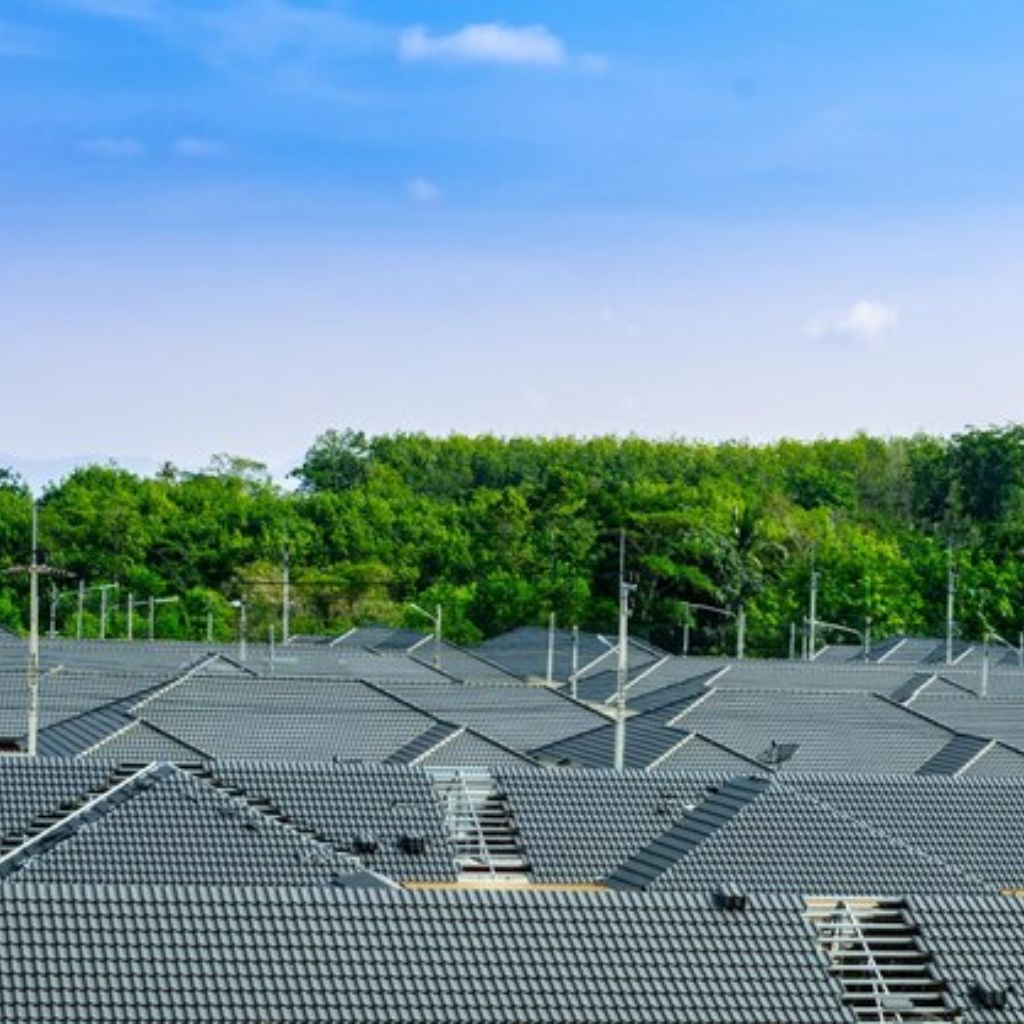
Sustainable roofing and solar are transforming the way we approach home improvement, energy efficiency, and environmental responsibility. Imagine stepping outside and seeing a roof that not only shields your home from the elements but also generates clean, renewable energy directly from the sun. This forward-thinking approach doesn’t just reduce your carbon footprint—it also helps you save big on energy bills and increase your property’s long-term value.
In today’s eco-conscious world, homeowners are searching for ways to make their houses more sustainable without sacrificing style or comfort. That’s where sustainable roofing and solar solutions shine. They combine cutting-edge technology with environmentally friendly materials to create a roof that does more than one job—it protects, produces energy, and promotes a greener future.
In this guide, we’ll dive deep into everything you need to know about sustainable roofing and solar—from the latest materials and technologies to financial incentives and installation tips. By the end, you’ll be equipped with the knowledge to make a smart, eco-friendly investment that benefits both your home and the planet.
Overview of Sustainable Roofing & Solar
At its core, sustainable roofing and solar represent a new era of home innovation. Traditional roofs serve one purpose: protection. Sustainable roofs, however, are designed to contribute actively to your home’s energy system while still safeguarding it from the weather.
Energy-efficient roofing materials like cool roofs, recycled shingles, and living green roofs form the foundation of sustainability. These eco-friendly materials help reduce heat absorption, insulate your home naturally, and lower overall energy consumption. For instance:
- Cool roofs reflect sunlight to reduce heat gain.
- Green roofs covered in vegetation improve insulation and air quality.
- Recycled roofing materials give a second life to products that might otherwise end up in landfills.
Pair these roofing choices with solar solutions like photovoltaic (PV) panels or solar shingles, and your roof evolves into an energy-generating powerhouse. PV panels harness sunlight to generate electricity for your home, cutting down reliance on fossil fuels. Solar shingles, on the other hand, offer a sleek alternative that blends directly into your roof design.
To make the switch even more appealing, governments and local utilities are offering incentives, tax credits, and rebates for homeowners who adopt sustainable roofing and solar energy systems. With the right setup, these solutions often pay for themselves in a matter of years, while continuing to generate savings for decades.
In short, sustainable roofing and solar technologies aren’t just about saving money—they’re about creating a cleaner, greener future while ensuring your home is part of the solution.
Benefits of Sustainable Roofing
Investing in sustainable roofing and solar brings a wide range of advantages that improve your home’s comfort, efficiency, and environmental impact.
Sustainable Roofing Energy Efficiency
Sustainable roofing significantly enhances energy efficiency. Energy-efficient materials, like cool roofs, reflect sunlight, thus lowering indoor temperatures. This reflection reduces the reliance on air conditioning during hot months and leads to substantial energy savings. Green roofs further improve insulation by using vegetation. These roofs absorb heat and keep interiors comfortable, reducing energy bills and creating a more pleasant living environment. You’ll notice lower energy consumption while enjoying a cozy home.
Sustainable Roofing Environmental Impact
Sustainable roofing plays a key role in minimizing environmental impact. By utilizing eco-friendly materials and renewable energy sources like solar panels, sustainable roofs contribute to reduced greenhouse gas emissions. Adopting sustainable roofing practices decreases the carbon footprint and promotes clean energy generation. Every kilowatt-hour produced by solar panels means less reliance on fossil fuels. Additionally, sustainable roofs enhance biodiversity by providing habitats for birds and insects. You support a healthier planet and a sustainable future through responsible roofing choices.
Embracing sustainable roofing means investing in both energy savings and environmental well-being, ensuring a win-win situation for your home and the earth.
Types of Sustainable Roofing Materials
Sustainable roofing materials play a crucial role in enhancing energy efficiency and protecting the environment. Explore various options for your next roofing project.
Green Roofs
Green roofs consist of vegetation layered atop a waterproof membrane. This innovative roofing solution offers numerous benefits, including improved insulation and reduced urban heat effects. Plants absorb rainwater, reducing runoff and filtering pollutants. Plus, green roofs provide habitats for various wildlife, contributing to biodiversity in urban settings. Installing a green roof helps create a stunning visual impact while promoting sustainability. You’ll enjoy a cooler home during hot months and potentially lower energy bills, too.
Solar Shingles
Solar shingles integrate seamlessly into your roof while generating clean energy from sunlight. Unlike traditional solar panels, solar shingles blend with your roof’s design, maintaining aesthetic appeal. Each shingle contains photovoltaic cells, converting sunlight into electricity to power your home. Solar shingles contribute to reduced reliance on fossil fuels, resulting in lower greenhouse gas emissions. Enjoy the dual advantages of effective roofing and renewable energy generation. By choosing solar shingles, you make a smart investment in both energy efficiency and sustainability.
Recycled Materials
Recycled materials serve as an excellent option for sustainable roofing. Manufacturers create roofing products from materials like reclaimed wood, metal, and asphalt shingles. These materials divert waste from landfills, making a positive environmental impact. Roofs made from recycled products often feature high durability, which can extend their lifespan. By opting for recycled materials, you not only reduce your ecological footprint but also support a circular economy. Choosing this option demonstrates commitment to sustainability and cost-effectiveness, enhancing your home’s value.
Choosing the right material for your roof is crucial. Let’s explore some of the most popular and effective sustainable roofing and solar materials available today.
| Material | Key Features | Benefits | Best For |
|---|---|---|---|
| Green Roofs | Vegetation over waterproof layers | Insulation, reduces heat island effect, supports biodiversity | Urban areas & eco-conscious homeowners |
| Solar Shingles | Photovoltaic cells built into shingles | Clean energy + sleek design | Homeowners who want renewable energy without bulky panels |
| Recycled Materials | Made from reclaimed metal, wood, or rubber | Diverts waste, durable, eco-friendly | Homeowners seeking affordable sustainable options |
| Cool Roofs | Reflective materials (tiles, coatings, membranes) | Lower heat absorption, energy efficiency | Hot climates & sun-exposed homes |
Each material has unique benefits depending on your climate, budget, and design goals. Many homeowners even combine materials—for example, pairing cool roofs with photovoltaic panels—for maximum efficiency.
Integrating Solar Solutions
Integrating solar solutions into your roofing system transforms both energy use and environmental impact. This combination enhances the functionality of your roof while providing substantial energy savings.
Photovoltaic Panels
PV panels are the most common choice for generating solar energy. They’re durable, reliable, and can cut electricity bills by 50–80%. With net metering programs, you can even sell excess energy back to the grid, creating an extra source of savings.
Key highlights:
- Lifespan of 25–30 years.
- Compatible with most roofing styles.
- Federal and state incentives reduce upfront costs.
Solar Water Heating
While PV panels generate electricity, solar water heating systems harness sunlight to heat your home’s water supply. These systems can cover up to 80% of your annual hot water needs, drastically reducing reliance on traditional water heaters.
Pairing both PV panels and solar water heating with eco-friendly roofing maximizes efficiency and ensures your home remains future-proof.
Choosing the Right Sustainable Roofing System
Choosing the right sustainable roofing system enhances your home’s energy efficiency and environmental impact. Consider different materials that align with your sustainability goals.
Green Roofs
Green roofs consist of vegetation on waterproof membranes. Green roofs offer several benefits, including improved insulation and reduced urban heat. They provide habitat for wildlife, promoting biodiversity while enhancing the aesthetic of your home. Opt for plants that thrive in your local climate for success.
Solar Shingles
Solar shingles integrate directly into your roof’s design while generating clean energy. These shingles maintain your home’s visual appeal and contribute to lower greenhouse gas emissions. The sleek design of solar shingles attracts those who want renewable energy without sacrificing style.
Recycled Materials
Recycled materials serve a dual purpose by reducing waste and enhancing durability. Utilizing materials like recycled metal or rubber improves your roof’s lifespan while supporting a circular economy. When selecting recycled options, verify the source and quality to ensure effectiveness.
Cool Roofs
Cool roofs reflect sunlight rather than absorbing heat, keeping indoor temperatures lower. This option minimizes the need for air conditioning, leading to significant energy savings. While selecting cool roofing materials, check for Energy Star ratings to confirm performance.
Photovoltaic Panels
Photovoltaic panels convert sunlight into electricity, drastically reducing energy bills. You can install these on rooftops alongside traditional roofing materials for a powerful energy solution. Ensure you work with certified installers for optimal placement and performance.
Solar Water Heating Systems
Solar water heating systems utilize solar collectors for heating water, covering up to 80% of your hot water needs. This approach increases energy efficiency and can pair with other heating units for effectiveness. Investigate local incentives available for these systems to maximize savings.
Financial Incentives
Government incentives and rebates simplify the investment in sustainable roofing systems. Research local programs that support eco-friendly solutions to enhance your financial return while contributing to a sustainable future. Evaluate potential savings to make informed decisions about your roofing choice.
Selecting the right sustainable roofing system transforms your home into an eco-friendly haven, combining aesthetic appeal with energy efficiency. Prioritize your goals and choose materials that suit your lifestyle while contributing to a greener planet.
Here’s a quick comparison:
| Roofing Option | Cost Range | Energy Savings | Durability | Eco Impact |
|---|---|---|---|---|
| Green Roofs | High | High | 40–50 years | Excellent for biodiversity & cooling |
| Solar Shingles | Moderate–High | High | 20–30 years | Reduces fossil fuel reliance |
| Recycled Materials | Low–Moderate | Moderate | 30–50 years | Diverts landfill waste |
| Cool Roofs | Moderate | High | 20–30 years | Reflects heat, lowers emissions |
| PV Panels | Moderate | Very High | 25–30 years | Generates renewable energy |
| Solar Water Heating | Moderate | High | 20+ years | Cuts reliance on gas/electric water heaters |
When in doubt, consult with certified roofing and solar professionals who can assess your home’s structure and energy needs.
Financial Incentives for Sustainable Roofing and Solar
One of the biggest motivators for homeowners is affordability. Thankfully, governments around the world are encouraging the adoption of sustainable roofing and solar with financial incentives such as:
- Federal Tax Credits (e.g., U.S. homeowners can claim 30% of solar installation costs).
- Local Rebates offered by cities or utility providers.
- Net Metering Programs allowing you to sell excess solar energy back to the grid.
- Low-Interest Green Loans designed for eco-friendly home upgrades.
These incentives can reduce upfront costs by thousands of dollars, making the transition to sustainable living more accessible.
Conclusion
Adopting sustainable roofing and solar is more than a home improvement project—it’s a lifestyle upgrade. By combining eco-friendly roofing materials with renewable solar energy, you can lower utility bills, improve comfort, and reduce your home’s environmental impact.
From green roofs that support biodiversity to solar shingles that blend seamlessly with your design, the options are endless. With government incentives available, there’s never been a better time to make the switch.
So why wait? Dive into the world of sustainable roofing and solar energy. It’s time to embrace a lifestyle that’s not only good for your wallet but also great for Mother Earth. Your journey towards sustainability starts now!
Frequently Asked Questions
What is sustainable roofing?
Sustainable roofing refers to roofing systems designed with environmentally friendly materials and technologies. This includes options like green roofs, solar shingles, and cool roofs that enhance energy efficiency and reduce environmental impact.
How do sustainable roofs improve energy efficiency?
Sustainable roofs enhance energy efficiency by using materials that reflect sunlight, provide insulation, and generate renewable energy. Cool roofs lower indoor temperatures, while green roofs absorb heat, leading to reduced energy bills and less reliance on air conditioning.
What are the benefits of solar energy in roofing?
Integrating solar energy into roofing allows homes to generate clean electricity, reduce carbon footprints, and lower energy costs. Homeowners can take advantage of net metering and government incentives, making solar a financially viable option.
How do green roofs benefit the environment?
Green roofs promote biodiversity by providing habitats for wildlife and improve air quality through vegetation. They also help mitigate urban heat effects and reduce stormwater runoff, contributing positively to the ecosystem.
What are solar shingles and how do they work?
Solar shingles are roofing materials that resemble traditional shingles but contain photovoltaic cells. They generate electricity from sunlight while maintaining aesthetic appeal, offering an integrated solution for clean energy generation on homes.
Are there incentives available for sustainable roofing solutions?
Yes, many government programs offer incentives, such as tax credits, rebates, and grants, to encourage homeowners to invest in sustainable roofing and solar energy solutions, making them more affordable and accessible.
How do recycled materials contribute to sustainable roofing?
Using recycled materials for roofing diverts waste from landfills and supports a circular economy. These materials often provide enhanced durability and sustainability compared to traditional options, making them an eco-friendly choice.
Can solar water heating systems be paired with existing systems?
Yes, solar water heating systems can be integrated with existing water heating units. This versatility allows homeowners to cover a significant portion of their hot water needs using solar energy, increasing overall efficiency.
