


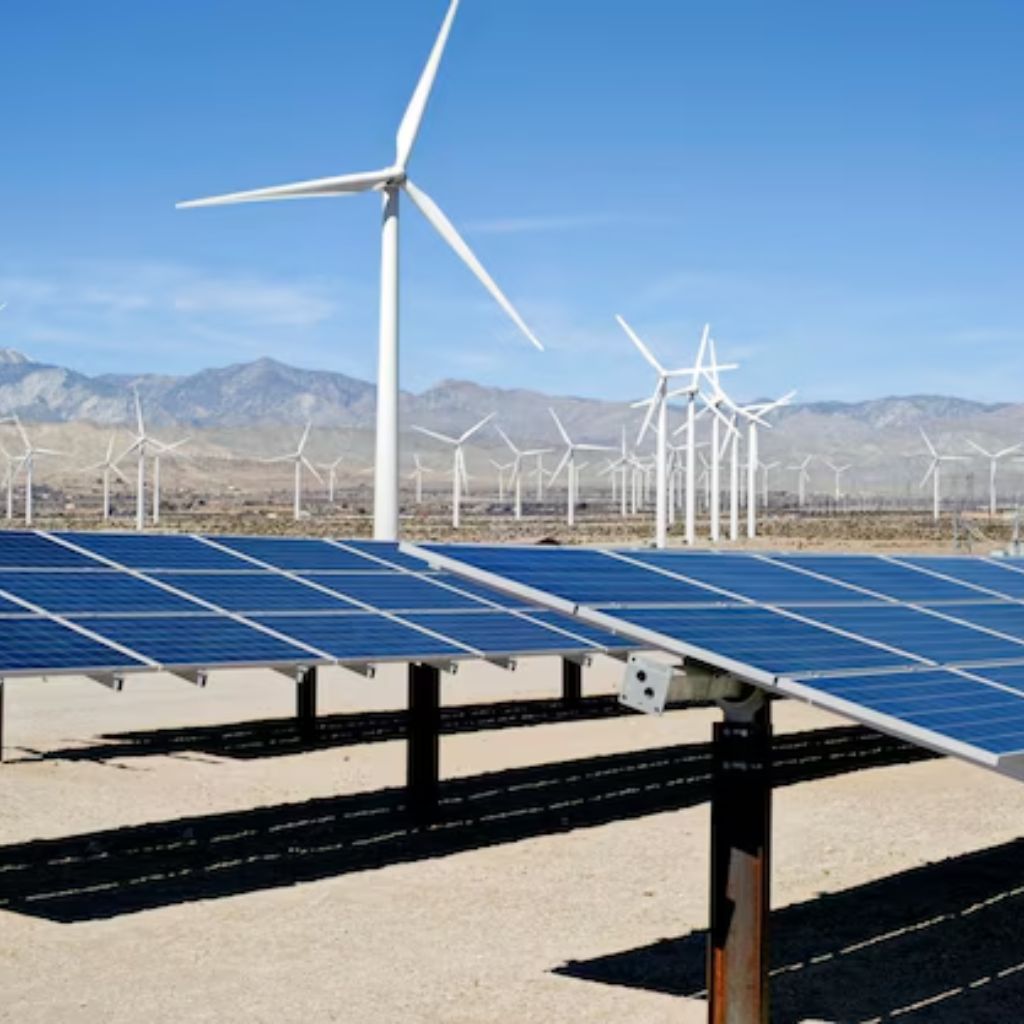
The Rise of Energy-Efficient Living in 2025
In 2025, the concept of energy-efficient homes has evolved from being a futuristic idea to an everyday reality. With rising energy costs, climate change concerns, and the push for renewable solutions, homeowners across the world are increasingly turning to solar and wind generators to power their homes sustainably. The transition to renewable energy isn’t just an environmental statement—it’s a practical move toward cost savings and independence from volatile utility markets.
The combined use of solar and wind generators represents a technological breakthrough in solar and wind power generation. By capturing energy from both sunlight and wind, these hybrid systems ensure uninterrupted power—day or night, rain or shine. Paired with sustainable roofing & solar innovations, such as integrated photovoltaic tiles and eco-friendly roofing materials, this approach marks a new era of self-sufficient, green living.
The momentum for sustainable roofing materials is growing rapidly, as modern homes are now designed to be eco-conscious from the top down. From solar shingles to recycled metal roofs, the emphasis is on aesthetics, performance, and environmental responsibility. This blog explores how the solar and wind hybrid system is reshaping the future of residential energy, creating homes that are both energy-smart and architecturally stunning.
What Is a Solar and Wind Generator? Understanding the Hybrid Concept
The Basics of Solar and Wind Power Generation
A solar and wind generator is a hybrid power system that combines solar panels and wind turbines to produce renewable energy. While solar panels generate electricity from sunlight using photovoltaic cells, wind turbines convert the kinetic energy from moving air into electrical power. Together, these systems complement each other—solar performs best during sunny days, while wind turbines often excel at night or in cloudy conditions.
This dual setup ensures that homes equipped with solar wind generators experience fewer fluctuations in energy supply. When sunlight dips, the wind takes over, and when the wind is calm, solar panels fill the gap. The result is consistent power generation with minimal reliance on grid electricity.
Let’s compare their key components and performance differences:
| Feature | Solar Panels | Wind Turbines | Solar and Wind Hybrid System |
| Energy Source | Sunlight | Wind | Both |
| Efficiency Range | 15–22% | 25–45% | 30–50% combined |
| Ideal Location | Sunny climates | Windy regions | All weather conditions |
| Energy Reliability | Daytime only | Wind-dependent | 24/7 |
| Maintenance | Low | Moderate | Moderate |
Advantages of Using a Solar and Wind Generator at Home
Installing a solar and wind generator at home offers multiple advantages that go far beyond energy savings. First and foremost, it ensures round-the-clock renewable energy generation. When solar power dips during cloudy weather or nighttime, wind energy keeps electricity flowing. This consistency eliminates the common downtime associated with standalone renewable systems.
Secondly, homeowners can significantly lower their utility bills. The hybrid system optimizes resource use, ensuring every ounce of sunlight and wind is converted efficiently. Over time, these savings can offset the installation cost, providing an excellent return on investment.
Environmentally, solar wind generators represent a major step forward. They reduce greenhouse gas emissions, help fight global warming, and contribute to energy independence. Additionally, in 2025, advancements in compact design and quieter operation make these systems perfect for both rural and urban homes.
How Solar and Wind Generators Integrate with Sustainable Roofing Solutions
The Role of Sustainable Roofing & Solar in Modern Architecture
As architecture evolves toward sustainability, roofs have become prime real estate for renewable energy generation. Modern buildings are now designed with sustainable roofing & solar solutions that merge design with functionality. Recycled steel, clay tiles, and photovoltaic shingles are among the top sustainable roofing materials trending in 2025.
The integration of solar and wind generators with roofing systems allows homeowners to utilize every inch of their home’s structure for energy efficiency. For instance, solar shingles function as both a protective roof layer and a power generator, while compact rooftop wind turbines seamlessly blend with architectural aesthetics.
Innovations in sustainable roofing & solar installations are driving cost reductions and performance improvements. Today’s hybrid systems can be installed without compromising the roof’s integrity, providing long-term durability, weather resistance, and style—all while generating clean energy.
Design and Installation: Merging Functionality and Aesthetics
Designing a roof that integrates both solar and wind generators requires balancing energy performance and visual appeal. Roof-integrated systems eliminate bulky external mounts, maintaining a clean, modern aesthetic. These hybrid roofs can even be monitored via IoT-enabled systems, allowing real-time performance tracking through mobile apps or smart home platforms.
Here’s a comparison of different setup options:
| Feature | Solar Only | Wind Only | Solar and Wind Hybrid System |
| Energy Consistency | Moderate | Variable | High |
| Installation Cost | Medium | Medium | Slightly Higher |
| ROI Timeline | 5–7 Years | 6–8 Years | 4–6 Years |
| Sustainability Rating | High | High | Very High |
Thanks to these advancements, 2025 homeowners can enjoy both style and sustainability without compromise.
Why Solar and Wind Hybrid Systems Are the Future of Home Energy
24/7 Renewable Power Availability
The biggest challenge with renewable energy has always been intermittency. The solar and wind hybrid system solves this by providing continuous energy supply throughout the day and night. When the sun sets, wind turbines typically experience higher wind speeds, ensuring power generation doesn’t stop.
Energy storage technology has also made leaps in 2025. Smart lithium-ion batteries and advanced inverters now manage energy flow efficiently, storing excess energy and distributing it during peak demand. This ensures your solar and wind generator can power your home even during extended cloudy or calm periods.
Cost Efficiency and Long-Term Savings
Costs for PV and balance-of-system components have trended down over the last decade while performance improved, and similar unit-price declines are emerging for small wind hardware and micro-turbines. Government credits and programmatic incentives have accelerated adoption where available, shortening payback windows.
The U.S. Residential Clean Energy Credit (30% through 2032 for qualifying installs) and other national and local incentives have bolstered cost competitiveness for combined PV + battery systems, and many programs now explicitly allow battery costs to be included.
When homeowners compare annual savings, a solar and wind generator often outperforms solar alone in windy or mixed climates because the hybrid harvests energy at more times of day. Below is a simplified comparative illustration of annual savings (example numbers depend on local rates and site specifics):
| Scenario | Annual Generated kWh (est.) | Typical Annual Savings (estimate) |
| Solar Only | 8,000 kWh | $800–$1,200 |
| Solar + Wind Hybrid | 9,500–11,000 kWh | $1,100–$1,600 |
Numbers vary by region, retail electricity rates, and available incentives, but the point is clear: a properly sited solar and wind generator system can boost annual yield and dollars saved versus PV alone, especially once storage and smart dispatch are part of the design.
The Technology Behind Modern Solar Wind Generators
Key Innovations in Solar and Wind Generator Design
The evolution of solar and wind generators in 2025 is marked by groundbreaking innovations. Vertical-axis wind turbines (VAWTs) are now lightweight, quiet, and perfect for rooftop use. Transparent solar panels can be integrated into skylights and windows, while photovoltaic tiles merge seamlessly with sustainable roofing materials.
These hybrid technologies don’t just generate power—they redefine architecture. The combination of wind micro-turbines and solar tiles creates a visually appealing yet fully functional roofing ecosystem. Furthermore, modular designs allow homeowners to expand or modify their systems easily.
Smart Energy Management Systems
AI and IoT have revolutionized how solar wind generators operate. Modern systems use artificial intelligence to optimize power distribution, forecasting weather patterns to anticipate energy needs. Predictive maintenance alerts homeowners about potential issues before they escalate, extending system lifespan.
Remote monitoring via mobile apps provides real-time energy data, enabling users to track generation, consumption, and efficiency. In 2025, smart hybrid systems are not just energy producers—they’re intelligent home power managers.
Environmental and Social Impact of Solar and Wind Power Generation
Reducing Carbon Emissions with Sustainable Roofing & Solar
One of the biggest advantages of solar and wind power generation is its environmental impact. A typical home equipped with a solar and wind generator can cut its carbon emissions by up to 60% annually. When paired with sustainable roofing materials, the overall ecological footprint of a home decreases dramatically.
These homes also contribute to community microgrids, where excess energy supports neighboring households, promoting local energy resilience. The widespread adoption of these systems supports climate goals and helps nations transition toward net-zero emissions.
Driving Green Jobs and Eco-Friendly Construction
The demand for solar and wind hybrid systems is fueling job creation in installation, maintenance, and renewable engineering. Roofing and construction companies are now incorporating sustainable roofing & solar design into their projects, offering homeowners environmentally responsible options.
From energy consultants to certified green contractors, the hybrid energy industry is expanding at record speed in 2025. This shift not only benefits the planet but also stimulates local economies through sustainable employment opportunities.
Challenges and Solutions in Solar and Wind Hybrid Adoption
Technical and Regulatory Barriers
Despite rapid progress, there are still challenges in the widespread adoption of solar wind generators. Zoning laws may restrict rooftop wind turbine installations, especially in urban settings. Maintenance complexity can also deter some homeowners who fear higher upkeep costs.
Furthermore, inconsistent regulations and grid interconnection requirements vary across regions, complicating installations for hybrid systems.
Overcoming Obstacles Through Innovation
Manufacturers are addressing these challenges with innovation. Compact vertical-axis turbines are being designed for noise reduction and minimal vibration. Smart battery systems ensure energy reliability, even in low-wind or low-sunlight conditions.
Government bodies are also introducing streamlined approval processes and incentives for hybrid installations. Together, these advancements make solar and wind generators more accessible, efficient, and appealing to the average homeowner.
Case Studies: Real Homes Using Solar and Wind Generators in 2025
Urban Success Stories
In major cities like San Francisco and London, smart homes are leading the way with solar and wind hybrid systems. One residential project in California reported 95% energy independence within a year of installation. The combination of solar shingles and rooftop micro-turbines allowed the household to operate fully off-grid during power outages.
Rural and Off-Grid Innovations
In rural India and Africa, solar wind generators are empowering communities with reliable energy access. Off-grid villages equipped with hybrid microgrids can now power schools, clinics, and homes efficiently, reducing dependence on diesel generators. These systems are redefining what sustainable development looks like on a global scale.
Comparing Solar and Wind Generators: Which Is Best for You?
| Feature | Solar Generator | Wind Generator | Solar and Wind Hybrid System |
| Power Availability | Daytime | Windy Conditions | All-Day |
| Cost Efficiency | High | Moderate | Highest |
| Environmental Impact | Low | Low | Lowest |
| Maintenance | Low | Moderate | Moderate |
| Best For | Urban Homes | Rural Areas | All Regions |
If you live in an area with both good sunlight and moderate wind, the solar and wind hybrid system offers unmatched efficiency and savings potential.
Future Trends: What’s Next for Sustainable Roofing & Solar Technologies
Next-Gen Sustainable Roofing Materials
The future of sustainable roofing & solar is smarter and more adaptive. Self-healing solar tiles can repair minor cracks automatically, while recyclable panels reduce waste at the end of their life cycle. Researchers are even integrating micro-turbines into shingles to create near-invisible solar wind generators that function as part of the roof’s design.
These futuristic materials make sustainability effortless and elegant, signaling the next big leap for energy-efficient homes.
Smart Grid and Decentralized Energy Homes
The rise of decentralized energy systems will transform neighborhoods into interconnected power networks. Using blockchain and IoT, homeowners will soon be able to trade excess energy from solar and wind power generation directly with others, creating community-driven “energy markets.”
This peer-to-peer energy model, supported by solar wind generators, will democratize power access and reshape the global energy landscape. Homes will no longer just consume energy—they’ll produce and share it.
Conclusion: Building Tomorrow’s Energy-Efficient Homes Today
The solar and wind generator future is here: better hardware, smarter controls, and maturing markets mean hybrid rooftop systems are realistic and valuable for many homeowners in 2025. When combined with sustainable roofing & solar materials, these systems improve aesthetics, reduce emissions, and deliver tangible resilience and savings.
Adoption still requires good siting, appropriate installers, and attention to local rules — but the rewards are meaningful: steadier energy, lower bills, and a smaller carbon footprint. If you’re planning a roof replacement or a new build, consider a hybrid approach: it may cost a little more up front, but in the right context a solar and wind generator can deliver superior lifetime value and make your home a small generator of its own future.
The future belongs to homes that generate, store, and optimize their own power. By adopting solar and wind hybrid systems, individuals contribute not just to their own sustainability but to a cleaner, greener planet for generations to come.
FAQs
Q1. What is the average cost of installing a solar and wind generator in 2025?
Costs vary widely by region, equipment choice, and roof complexity. Expect a hybrid install to be somewhat higher than a solar-only system because of turbine hardware and hybrid electronics. Incentives (tax credits and local rebates) can cut net costs significantly.
Q2. How long do solar and wind hybrid systems last?
Solar modules typically have 25+ year warranties; turbines and moving parts need more periodic maintenance but can last 10–20 years with proper care. Hybrid controllers and batteries have their own lifecycles and should be planned for replacement during the system life.
Q3. Can solar and wind generators power an entire home?
Yes — in many cases, especially with adequate storage and proper sizing. “Entire home” depends on load profile: energy-efficient homes with storage and hybrid generation can achieve full self-sufficiency for long stretches; grid-tie systems can cover most needs and export surplus.
Q4. What roofing materials work best with solar and wind power generation setups?
Durable, structural roofs (metal, tile, or well-framed asphalt roofs) integrate best. Solar shingles/BIPV are ideal when replacing a roof. Ensure turbine mounts are engineered into the structure to avoid leaks; choose sustainable roofing materials that accommodate penetrations and flashing.
Q5. Are there government incentives for sustainable roofing & solar systems?
Yes. Many countries and states/provinces offer incentives. In the U.S., the Residential Clean Energy Credit covers a percentage of qualifying clean energy property costs (30% for many installs through 2032), and other rebates/credits can apply to batteries and efficiency upgrades. Always confirm current rules in your jurisdiction.
Q6. Are rooftop wind turbines noisy or unsafe?
Modern VAWTs are designed to be quieter and safer than early designs; siting, vibration isolation, and manufacturer specs matter. Noise at neighbor boundaries and structural vibration must be evaluated during design.
Q7. Can I install a solar wind generator in an urban apartment?
Compact solar and wind generators are now available for small-scale, balcony, or rooftop use, making them suitable even for city living.
Q8. How do I know if my home is right for a hybrid system?
Conduct a site assessment: solar access, typical wind speeds at the roof height, structural capacity, and local permitting. A professional installer or energy auditor can model annual yields and payback scenarios.
Q9. Do hybrid systems require professional maintenance?
Most maintenance can be handled remotely through AI-based diagnostics, but annual professional inspections are recommended for peak efficiency.
Sources & Further Reading (selected)
- NREL — Solar industry updates and system cost trends. NREL Docs+1
- SolarReviews — Solar shingles market and brand comparisons. Solar Reviews
- Vertical axis / rooftop wind market analyses and adoption trends. Coherent Market Insights+1
- Power Ledger and peer-to-peer energy trading platforms (market examples). Powerledger+1
- IRS — Residential Clean Energy Credit details. IRS
