


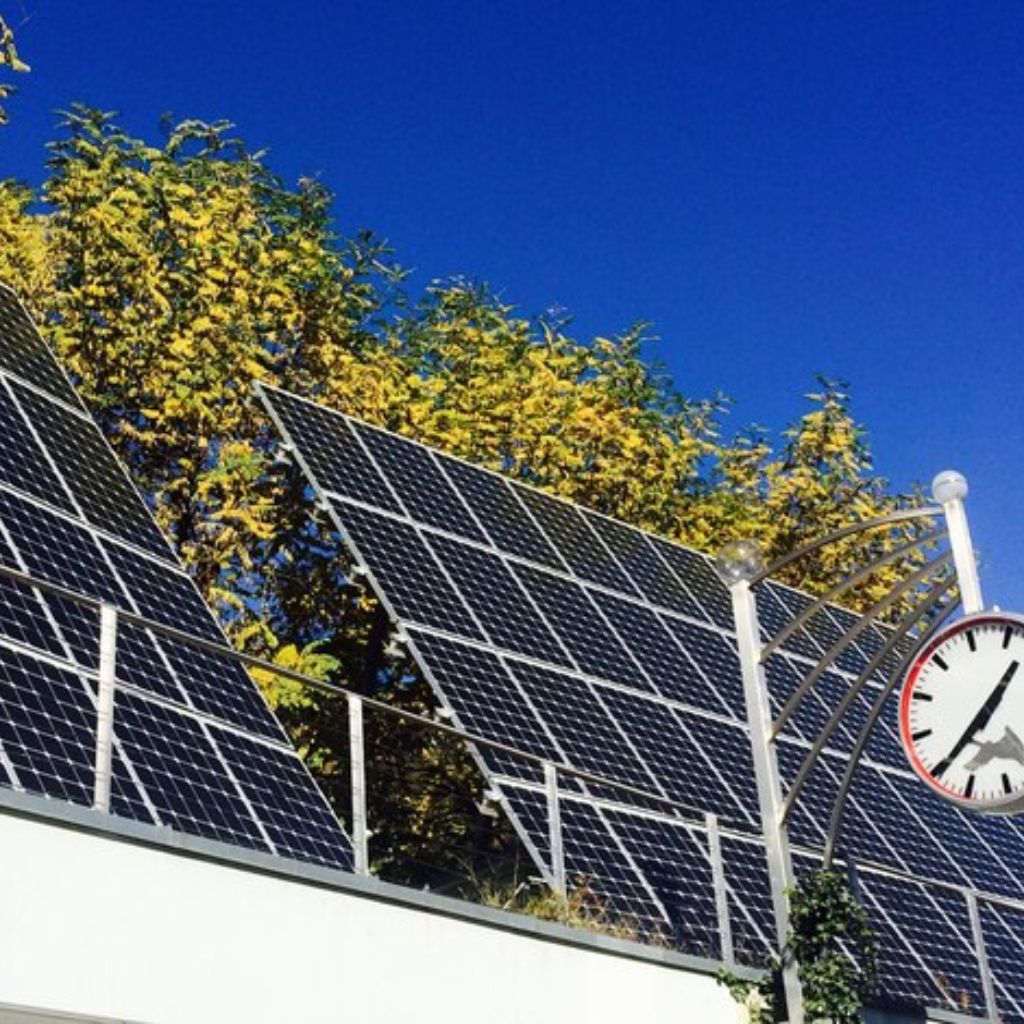
The best solar system for home use can transform your energy consumption. As energy costs rise, homeowners are seeking reliable and eco-friendly solutions. A solar system not only lowers your utility bills but also increases your home’s value.
In this article, you’ll learn about the top solar systems available today. We’ll cover key features, installation tips, and how to choose the right system for your needs. Whether you’re looking to go green or save money, understanding your options is crucial. Let’s dive into the best solar systems that can power your home efficiently.
Overview of Solar Systems
Solar systems for homes convert sunlight into usable energy. You can select from various types of solar installations, including photovoltaic systems and solar thermal systems. Photovoltaic systems use solar panels to generate electricity. Solar thermal systems capture heat for water or space heating.
Types of Solar Systems
Solar systems for homes come in three main types:
- Grid-Tied Systems: Grid-tied solar systems connect to the electricity grid. They provide energy savings by allowing you to sell excess electricity back to the grid. These systems often require net metering agreements.
- Off-Grid Systems: Off-grid solar systems operate independently of the grid. They are ideal for remote locations where grid access is unavailable. These systems typically rely on battery storage for nighttime or cloudy days.
- Hybrid Systems: Hybrid solar systems combine both grid-tied and off-grid capabilities. They provide flexibility by allowing energy storage while still connecting to the grid.
Key Components of Solar Systems
Solar systems include several essential components:
- Solar Panels: Solar panels capture sunlight. These panels vary in efficiency and size, impacting total energy production. Higher efficiency panels convert more sunlight into electricity.
- Inverter: An inverter transforms the direct current (DC) generated by solar panels into alternating current (AC) for home use. A reliable inverter optimizes energy usage.
- Battery Storage: Battery systems store excess energy for later use. They enhance energy independence, especially in off-grid setups.
- Mounting System: Mounting systems support solar panels on rooftops or ground mounts. The installation angle and orientation affect energy production.
Benefits of Solar Systems
Solar systems provide numerous benefits. You can reduce monthly energy bills significantly. According to the Solar Energy Industries Association (SEIA), homeowners can save $10,000 to $30,000 over 20 years. Additionally, solar systems increase property value. Homes with solar installations sell for more than those without.
Choosing the Right Solar System
When selecting a solar system for your home, consider these factors:
- Budget: Determine how much you can invest in a solar system.
- Energy Needs: Assess your household’s energy consumption to choose the right system size.
- Location: Your location affects solar energy production. Consider local weather patterns and sunlight availability.
Selecting the best solar system for your home requires careful evaluation. Each type, component, and benefit plays a crucial role in maximizing your investment.
Benefits of Installing Solar Systems
Installing solar systems offers significant advantages. Solar systems reduce energy expenses while increasing your property’s value. Homeowners can benefit from ongoing savings on their electricity bills and a more sustainable lifestyle.
Cost Savings
Cost savings represent one of the main benefits of solar systems. By harnessing sunlight, you can significantly reduce monthly electricity bills. According to the Solar Energy Industries Association (SEIA), homeowners can save between $10,000 to $30,000 over 20 years by using solar energy. This savings varies based on system size, energy consumption, and state incentives. For example, states like California and Massachusetts offer tax credits and rebates, which can lower installation costs further. Additionally, the increasing affordability of solar panels has led to a dramatic drop in costs over the past decade, making solar systems more accessible. By installing solar, you lock in energy prices. This stability offers protection against fluctuating utility rates.
Environmental Impact
Environmental impact summarizes another compelling benefit. Solar systems generate clean energy, which helps reduce greenhouse gas emissions. According to a study by the National Renewable Energy Laboratory, each solar panel can offset approximately 1.5 tons of carbon dioxide annually. This reduction greatly contributes to environmental sustainability and combats climate change. Using solar energy decreases reliance on fossil fuels, which are finite resources and harmful to the planet. Transitioning to solar systems not only benefits your home but also fosters a healthier environment for future generations. Many homeowners report feeling a sense of pride knowing they contribute to a greener planet. Switching to solar can motivate others in your community to consider similar investments, amplifying the positive impact on the environment.
Choosing the Right Solar System
Choosing the right solar system involves careful consideration of various factors. Evaluate your energy needs, roof space, and sunlight exposure. Additionally, consider budget limitations and available state incentives. Research trusted solar providers in your area. Check customer reviews and warranty offerings to ensure reliability. Assess the different types of solar systems: grid-tied, off-grid, or hybrid, depending on your energy requirements and preferences. Engaging with solar professionals can provide tailored recommendations to maximize the benefits of your investment.
Choosing the best solar system for home use depends on several factors. This article outlines key considerations, types of systems, and essential components to help you make an informed decision.
Factors to Consider When Choosing the Best Solar System for Home
Energy Needs Assessment
Assessing your energy needs is crucial when selecting the best solar system for home installation. Start by reviewing your monthly electricity bills to determine your average energy consumption. Most homes use between 500 to 1,500 kilowatt-hours (kWh) per month.
Calculate your peak usage times. Identify daily patterns, as you may use more energy in the evenings or during specific seasons. Consider special appliances, such as electric vehicles, which can significantly increase your energy demands.
After understanding your current consumption, evaluate how much of that energy you want to offset with solar. Most homeowners aim to cover at least 70% of their energy usage. Doing this helps you size the solar system appropriately.
Types of Solar Systems
Choosing the right type of solar system for home use makes a significant difference in performance and savings. Below are the main categories:
- Grid-Tied Systems: Grid-tied systems connect directly to the electricity grid. They allow you to feed excess energy back into the grid. This systems typically cost less since they don’t require battery storage. You can reduce or eliminate your energy bills while accessing backup power when needed.
- Off-Grid Systems: Off-grid systems operate independently of the utility grid. They require battery storage to store excess energy for use at night or during cloudy days. These systems are ideal for remote locations where grid access is unavailable. However, they often come at a higher installation cost.
- Hybrid Systems: Hybrid systems combine features of both grid-tied and off-grid systems. They offer battery backup for energy storage while remaining connected to the grid. This flexibility allows you to maximize savings and energy efficiency.
Each type of solar system has advantages and affordability considerations. Selecting the right option ensures you meet your energy needs effectively while enjoying the benefits of solar power.
Top Solar Systems for Home in 2025
Solar Panels
Solar panels play a crucial role in the best solar system for home use. The most popular types include monocrystalline, polycrystalline, and thin-film solar panels. Monocrystalline panels offer higher efficiency rates, typically ranging from 15% to 22%. They also perform better in low-light conditions. Polycrystalline panels, while slightly less efficient (13% to 16%), often come at a lower price point. Thin-film solar panels are lightweight and flexible but usually have the lowest efficiency rates, around 10% to 12%.
When choosing solar panels, consider factors like warranty length and temperature coefficient. Solar panel warranties typically span 25 years. A lower temperature coefficient means better performance in high temperatures. Brands like SunPower and LG consistently rank high for efficiency and durability.
Inverters
Inverters are essential components in the best solar system for home setups. They convert the direct current (DC) generated by solar panels into alternating current (AC) for home use. Three common types of inverters include string inverters, microinverters, and power optimizers.
String inverters use a series connection and are cost-effective. However, efficiency drops if one panel is shaded. Microinverters work at the individual panel level, maximizing output and providing better performance in shaded conditions. Power optimizers enhance energy yield by optimizing the output of each panel but still use a string inverter.
Selecting a reputable brand, such as Enphase or SMA, ensures reliable inverters that often come with 10 to 25-year warranties.
Battery Storage Options
Battery storage enhances the functionality of the best solar system for home use. Battery storage systems, like Tesla Powerwall and LG Chem, store excess energy generated during sunny days. These systems allow you to use solar energy at night or when energy demand is high.
The Tesla Powerwall has a storage capacity of 13.5 kWh, sufficient for most homes. It offers scalability, allowing multiple units to connect as energy needs increase. LG Chem’s RESU series provides options from 6.5 kWh to 16 kWh, catering to different household requirements.
Battery systems improve energy independence and can reduce utility bills by storing energy during peak hours. Investing in battery storage can enhance your home’s energy resilience, especially during outages.
Installation and Maintenance Tips
The best solar system for home offers substantial savings on utility bills. A solar system captures sunlight, converts it into electricity, and lowers reliance on the grid. Choosing the right type of solar system impacts efficiency and cost.
Types of Solar Systems for Home
The best solar system for home typically falls into three categories:
- Grid-Tied Systems: These systems connect to the electric grid. They allow for net metering, where excess energy feeds back into the grid.
- Off-Grid Systems: These systems operate independently. They are ideal for remote areas but require battery storage.
- Hybrid Systems: These combine grid-tied and off-grid features. They provide flexibility and backup during outages.
Key Components of Solar Systems
The best solar system for home includes key components that ensure effective energy production:
- Solar Panels: Photovoltaic panels convert sunlight into electricity. Monocrystalline panels offer higher efficiency than polycrystalline panels.
- Inverters: Inverters convert DC electricity generated by panels into AC electricity used by homes. String inverters are common for residential use.
- Battery Storage: Systems like Tesla Powerwall store excess energy for later use. This feature enhances energy independence.
Benefits of Installing a Solar System
The best solar system for home provides numerous advantages:
- Cost Savings: Homeowners save between $10,000 and $30,000 over 20 years on energy bills.
- Increased Property Value: Homes with solar systems typically have higher resale values.
- Environmental Impact: Solar systems reduce reliance on fossil fuels, contributing to a healthier environment.
Installation Considerations for the Best Solar System
When choosing the best solar system for home installation, consider these factors:
- Energy Needs: Assess your energy consumption from past utility bills.
- Roof Condition: Ensure your roof can support solar panels.
- Local Regulations: Review codes and permits for solar installation.
By evaluating these elements, you can select a solar system that suits your needs best.
Maintenance Tips for Solar Systems
Keeping the best solar system for home in optimal condition requires minimal maintenance:
- Regular Cleaning: Clean the panels periodically to ensure efficiency.
- Inspection: Check connections, inverters, and batteries at least once a year.
- Professional Servicing: Consider hiring a professional for detailed inspections.
Implementing these practices keeps your solar system functioning effectively.
Conclusion
Investing in a solar system for your home is a smart move that can lead to significant savings and a positive environmental impact. By understanding the different types of solar systems and their components, you can choose the one that best fits your energy needs and budget.
With the right solar setup, you’re not just reducing your monthly bills; you’re also increasing your property value and contributing to a sustainable future. Take the time to assess your options and consider local incentives that can make solar energy even more accessible.
Making the switch to solar isn’t just a trend; it’s a long-term investment in your home and the planet. Embrace the benefits of solar energy and enjoy the peace of mind that comes with energy independence.
Frequently Asked Questions
What are the main benefits of installing a solar system at home?
Installing a solar system can significantly reduce energy costs, saving homeowners between $10,000 to $30,000 over 20 years. Additionally, it increases property value and contributes to a healthier environment by reducing greenhouse gas emissions and reliance on fossil fuels.
What types of solar systems are available?
There are three main types of solar systems: grid-tied systems, which connect to the electricity grid; off-grid systems, which operate independently; and hybrid systems, which combine both capabilities. Each type offers different advantages based on energy needs and budget.
How do solar panels work?
Solar panels convert sunlight into usable electricity through photovoltaic cells. When sunlight hits these cells, it generates direct current (DC) electricity, which is then converted to alternating current (AC) by an inverter for household use.
How can I choose the right solar system for my home?
Consider factors like your energy needs, roof space, budget, and available state incentives. Assessing your monthly electricity bills and peak usage times will help determine the most suitable solar system for your specific situation.
What are the key components of a solar system?
Key components include solar panels, inverters, battery storage systems, and mounting systems. Each plays a crucial role in energy production, efficiency, and overall performance of the solar system.
What maintenance is required for solar systems?
Regular cleaning and inspections are essential for maintaining solar panels. Ensure that panels are free of debris, and schedule professional inspections to check for any issues to guarantee optimal performance over time.
How do battery storage systems enhance solar energy use?
Battery storage systems, like the Tesla Powerwall, allow homeowners to store excess solar energy generated during the day for use at night or during outages. This increases energy independence and provides reliable power access.
Are there any incentives for installing solar systems?
Yes, many states offer incentives such as tax credits, rebates, and grants to help offset the initial costs of solar installation. Research local programs to maximize savings and make solar energy more accessible.
